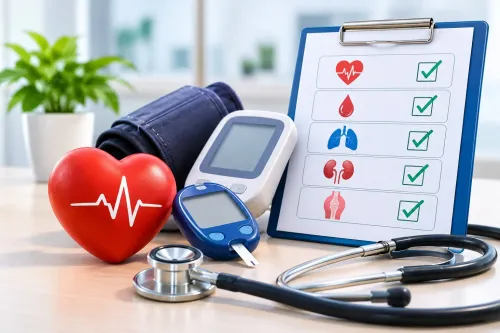
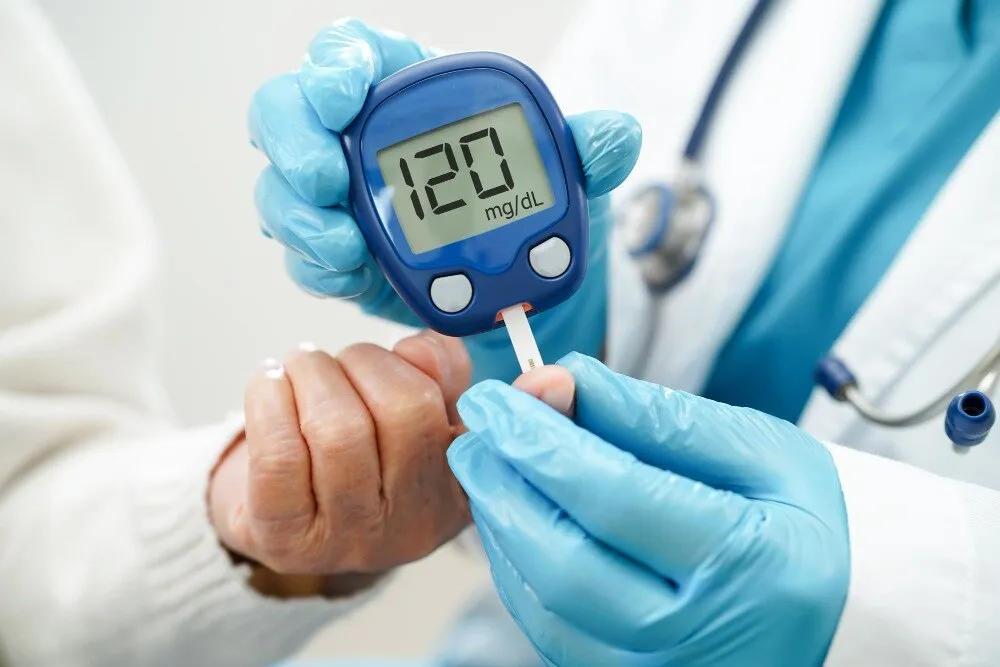
Stable, uncomplicated type 2 diabetes can often be followed by a capable family doctor or general physician, while uncertain diagnoses, difficult glucose control, pregnancy, complications and complex medicines call for specialist involvement. You will be able to match your situation to the right clinician, prepare for useful reviews and identify when routine follow-up is no longer enough.
Key takeaways
- Use a family doctor for stable, uncomplicated type 2 diabetes with structured monitoring.
- Track HbA1c, blood pressure, kidney health, feet, weight, and medicine safety.
- Bring glucose records, medicine details, test results, and questions to each review.
- Seek urgent or specialist care for severe symptoms, complications, or uncontrolled glucose.
Which clinician should handle routine diabetes follow-up?
A family doctor or general physician is suitable for routine follow-up when an adult has stable, uncomplicated type 2 diabetes and receives structured chronic-care monitoring. A diabetes treatment doctor should review glucose patterns, medicines, blood pressure, weight, kidney risk, cardiovascular risk, feet and lifestyle—not merely use diabetes-related wording in a listing.
| Clinician | Strengths | Best fit |
|---|---|---|
| Family doctor or general physician | Continuity, whole-family context, easier access and medication coordination | Stable type 2 diabetes without complications |
| Diabetologist or endocrinologist | Greater specialist depth for diagnosis, insulin and complications | Difficult control, uncertain diabetes type or complex treatment |
| Shared care | Combines accessible regular reviews with specialist input | Diabetes with kidney, heart, pregnancy or other complex needs |
A general physician can manage care when HbA1c is near the agreed target, medicines are tolerated, and monitoring includes scheduled HbA1c, kidney tests, foot checks, cardiovascular-risk review and referrals for eye care. For someone comparing a diabetes treatment doctor or family doctor in Pune, ask who tracks these results and coordinates medication changes.
Request an endocrinologist or diabetologist when you have:
- Persistent high HbA1c despite an appropriate plan
- Uncertain diabetes type or suspected type 1 diabetes
- Complex insulin decisions or recurrent hypoglycaemia
- Kidney disease, heart disease or established complications
- Pregnancy, which requires coordinated obstetric and diabetes care
Choose the clinician who can maintain your records, explain sick-day and low-glucose plans, and arrange prompt specialist or hospital care when routine follow-up is no longer safe.
What should a diabetes follow-up appointment actually measure?
| Home glucose monitoring | Shows readings at selected times, including fasting and after meals; it reveals daily patterns but depends on timing and meter technique. | Use the record to discuss patterns, not to change medicine after one high result. |
|---|---|---|
| Clinical review | Combines HbA1c, blood pressure, weight, medicines, kidney results, complications and lifestyle factors. | Use it to decide whether treatment remains safe and effective. |
For stable treatment at goal, check HbA1c at least twice yearly. Repeat it about every three months after a medicine change or when targets are missed. Check blood pressure and weight at routine visits, reconcile every prescription, over-the-counter medicine and supplement at every review, and test cholesterol according to the clinician’s risk-based plan.
For type 2 diabetes, assess kidney risk annually with a urine albumin-to-creatinine ratio and estimated glomerular filtration rate. An abnormal result needs confirmation and trend-based interpretation, not a decision based on one value. Examine each foot for skin changes, deformity, pulses and protective sensation, and arrange a dilated eye examination through an eye-care professional.
A chronic disease management doctor reviews fasting and post-meal patterns alongside HbA1c, missed doses, adverse effects, infection, steroid use, diet, activity and treatment cost. Kidney function, cardiovascular disease, heart failure, obesity and hypoglycaemia risk also influence medicine selection. A single high home reading is not enough to intensify treatment.
How do you prepare for the review and avoid common follow-up errors?
Bring records that show patterns, not just today’s glucose. A chronic disease management doctor needs them to avoid duplicate medicines, missed tests and unsafe dose changes when care moves between clinics.
1. Bring your glucose log, continuous glucose monitor report, medication and supplement list, insulin doses, recent HbA1c result, home blood-pressure readings and details of every low-glucose episode, including timing, symptoms, food taken and recovery. Include laboratory reports and foot wounds or infections.
2. Ask for your target HbA1c, target glucose range, the purpose of each medicine, missed-dose instructions, a low-glucose treatment plan, testing frequency and next review date. For an alert person, confirm whether the 15-15 approach applies: take 15 grams of fast-acting carbohydrate, recheck after 15 minutes and repeat if still low.
3. Record the daily plan: medicines, prescribed glucose checks, laboratory testing, food and activity changes. Do not stop medicine because glucose improves, change doses independently, rely only on fasting readings or skip HbA1c tests. Report low glucose and foot wounds promptly.
Pregnancy, older age, shift work, fasting, travel, illness and limited testing supplies all require an adjusted plan. Tell the diabetes treatment doctor before changing routines; pregnancy needs coordinated obstetric and diabetes care, while illness or steroids can alter readings. Arrange earlier review after treatment changes rather than waiting for the usual appointment.
When is routine follow-up unsafe or specialist referral necessary?
Routine follow-up becomes unsafe when glucose remains uncontrolled despite an appropriate plan, the diabetes type is uncertain, or treatment risks exceed routine primary care. A diabetes treatment doctor can coordinate referral, but request an endocrinologist or diabetologist when you have:
- Suspected type 1 diabetes
- Recurrent severe hypoglycaemia
- Complex insulin decisions, including repeated lows or difficult dose adjustments
- Pregnancy or diabetes diagnosed during pregnancy
- Complex kidney disease
- Established complications involving the eyes, nerves, heart, kidneys or feet
A child with new thirst, frequent urination, weight loss, vomiting, abdominal pain, rapid breathing, drowsiness or dehydration needs urgent assessment, not a routine adult follow-up appointment. These symptoms can signal diabetic ketoacidosis.
For an alert person who can swallow and has low glucose, use the 15-15 approach: take 15 grams of fast-acting carbohydrate, such as glucose tablets or regular juice, then recheck after 15 minutes. Repeat once if glucose remains low and arrange medical advice. Severe hypoglycaemia requires emergency help.
Call emergency services for confusion, unconsciousness, seizure, inability to swallow, severe breathing difficulty, persistent vomiting or dehydration. Treat a foot wound with spreading redness or fever as urgent too; infection can worsen quickly.
How should you compare diabetes follow-up clinics in Pune?
Search labels are not proof of quality: “general physician near me” and “best medicine doctor in Pune” describe marketing or location, not regulated specialties. Verify the clinician’s registration, medical qualification and diabetes experience before booking.
| Option | What to compare | When it fits |
|---|---|---|
| Family or general physician | Continuity, laboratory review, foot checks and coordination of eye, kidney and blood-pressure care | Stable, uncomplicated type 2 diabetes |
| Diabetologist or endocrinologist | Complex insulin decisions, persistent high HbA1c, uncertain diagnosis or complications | Poor control, recurrent hypoglycaemia or difficult treatment |
| Hospital-linked clinic | Prompt referral to endocrinology, nephrology, ophthalmology and hospital care | Pregnancy, children, older adults, kidney disease or multiple conditions |
Ask the clinic:
- Will one clinician follow you over time, review laboratory reports, examine your feet and explain every medication change?
- Will you receive written instructions for hypoglycaemia, sick days, missed doses and urgent symptoms?
- Can the team coordinate care for children, pregnancy, older adults, hypertension, kidney disease and other conditions?
- How quickly can it arrange specialist or hospital assessment?
Compare the practical burden too. You will need to prepare records, complete HbA1c and kidney tests, attend appointments, monitor glucose at home and return after medicine changes.
A Pune patient seeking diabetes treatment doctor or family doctor in Pune may consider Dr Masal Hospital 08042755436 for general medicine follow-up alongside related hospital services; choose it only if these care processes are clear.
Related services
General Physician & Family Doctor Looking for a trusted General Physician in Pune for complete family healthcare? Dr Masal Hospital is known for reliable diagnosis, ethical treatment,... View service → |
Best Hospital for Medicine in Pune – Comprehensive Internal Care at Dr Masal Hospital When it comes to accurate diagnosis, effective treatment, and... View service → |
Frequently asked questions
Which clinician should handle routine diabetes follow-up?
A family doctor or general physician can manage stable, uncomplicated type 2 diabetes when follow-up includes glucose, medicines, blood pressure, weight, kidney, cardiovascular, foot, and lifestyle checks.
What should a diabetes follow-up appointment measure?
The review should assess glucose patterns and HbA1c, medicines, blood pressure, weight, kidney risk, cardiovascular risk, foot health, lifestyle, and treatment side effects.
How should you prepare for a diabetes follow-up appointment?
Bring recent glucose readings, a complete medicine list with doses, laboratory reports, home blood-pressure readings, and a record of symptoms or missed doses.
When is routine diabetes follow-up unsafe or specialist referral necessary?
Seek urgent assessment for severe low or high blood sugar symptoms, vomiting, confusion, breathing difficulty, chest pain, or rapidly worsening illness. Referral is appropriate for complications, difficult glucose control, kidney disease, pregnancy, or complex treatment.
How should you compare diabetes follow-up clinics in Pune?
Check whether the clinician offers structured chronic disease management, reviews essential measurements, explains targets, coordinates tests and referrals, and provides a clear follow-up plan.
Keywords