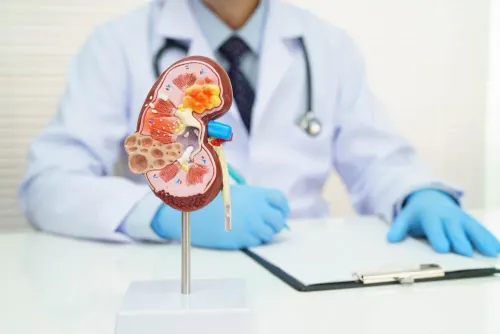

A first visit can involve more than a consultation: you may need to reconstruct your symptoms, prepare for selected tests, wait for reports, and return for interpretation. By the end, you will know what to bring, how doctors choose investigations, what abnormal results can lead to, and when routine outpatient care is the wrong option.
Key takeaways
- Bring previous reports, medicines, allergies and dated symptom notes.
- Ask why each test is needed and whether fasting is required.
- Get the result range, follow-up date and warning symptoms in writing.
- Seek urgent care for chest pain, severe breathing trouble or sudden weakness.
What happens from registration to the first treatment plan?
Registration records your details, reason for visiting and payment or insurance information. Bring previous reports, prescription strips, allergy information, vaccination records, home blood-pressure or glucose readings, and symptom dates.
1. A general medicine consultation in Pune starts with your symptom history: what began, when it began, how it has changed, and what makes it better or worse. The doctor asks about previous illnesses, surgeries, family history, sleep, diet, tobacco or alcohol use, and pregnancy or possible pregnancy.
2. The clinician reviews every medicine, supplement and non-prescription product you take. Do not rely on memory; missing a drug name or dose can lead to an unsafe prescription.
3. A nurse or doctor checks vital signs, including temperature, pulse, blood pressure, breathing rate, oxygen saturation and weight. The doctor then performs a focused examination based on your symptoms, such as listening to your chest or checking your abdomen, throat, strength and swelling.
4. Diagnostic orders answer specific clinical questions. Depending on your age, symptoms, examination, medical history and risk factors, the doctor may request a complete blood count, blood glucose or HbA1c, lipid profile, liver and kidney-function tests, electrolytes, thyroid-stimulating hormone, urine analysis, ECG or chest X-ray.
A large routine package is not automatically better and can create confusing false-positive results.
5. The doctor explains the working diagnosis, treatment choices, medicine instructions and warning symptoms. Follow-up arrangements cover report review, repeat testing or referral, and the date to reassess your response.
Which tests might a general physician order, and how should you prepare?
A general physician orders tests to answer a clinical question, not to fill a routine package. Symptoms, age, examination findings, medical history and risk factors determine the combination; ordering everything at once increases cost and false-positive results.
| Test | Main purpose |
|---|---|
| Complete blood count | Looks for anaemia, infection and platelet problems |
| Blood glucose or HbA1c | Measures current glucose or the average over about 2–3 months |
| Lipid profile | Estimates cholesterol and triglyceride-related cardiovascular risk |
| Liver-function tests | Assesses liver injury, bile flow and protein production |
| Kidney-function and electrolyte tests | Checks creatinine, filtration, sodium and potassium balance |
| Thyroid-stimulating hormone | Screens for common thyroid underactivity or overactivity |
| Urine analysis | Detects blood, protein, glucose, infection clues and concentration changes |
| ECG | Records the heart’s electrical activity during symptoms or risk assessment |
| Chest X-ray | Assesses lungs and heart size when respiratory or chest findings justify imaging |
Screening looks for disease before symptoms; diagnostic testing investigates a complaint or abnormal examination. HbA1c is convenient because it does not require fasting, but anaemia, pregnancy, kidney disease and altered red-cell survival can make it unreliable.
Follow the laboratory’s instructions rather than fasting automatically. Ask whether to take morning medicines; never stop chronic treatment without advice. Drink your usual water unless told otherwise, and provide a clean-catch midstream urine sample: begin urinating, collect the middle stream, then finish in the toilet. Disclose pregnancy or possible pregnancy before tests, X-rays or medicines.
These precautions support accurate general medicine diagnosis in Pune and safer general medicine tests and treatment in Pune.
What happens when a test result is abnormal?
One abnormal result is a signal, not automatically a diagnosis. For general medicine diagnosis in Pune, the clinician compares it with the laboratory’s reference interval, your symptoms, medicines, hydration status and previous results. An unexpected value may need repeat or confirmatory testing before long-term treatment.
Tell the clinician if you are pregnant or could be pregnant because thresholds, imaging and medicine choices change.
| Finding | Possible next step | Why |
|---|---|---|
| Unexpected blood or urine result | Repeat the test or order confirmation | Collection errors, dehydration and temporary illness can distort results |
| Raised clinic blood pressure | Home or ambulatory blood-pressure monitoring | A single reading cannot separate sustained hypertension from a clinic-related rise |
| Unreliable HbA1c | Plasma glucose testing or repeat glucose assessment | Anaemia and haemoglobin variants can make HbA1c misleading |
| Critical result or severe symptoms | Urgent referral or emergency assessment | Delay can cause harm even before every test is complete |
Treatment does not always wait for another report. A clinician may adjust a medicine, advise hydration, recommend diet or activity changes, give a vaccination, set a monitoring date, or refer you to a specialist; do not stop chronic medicines abruptly. Adult medical treatment in Pune is not antibiotics for every fever or cough.
Antibiotics are used when a bacterial infection is likely or confirmed, while viral illness may need fluids, symptom relief and review.
How much time, preparation and follow-up do the tests require?
Registration and consultation take time before testing begins. After you check in, the clinician confirms symptoms, medicines and allergies, records vital signs, examines you and explains which tests answer the clinical question. Blood collection is usually brief; imaging adds waiting, positioning and radiology reporting.
Report turnaround varies by test, laboratory workload and whether a radiologist or outside facility is involved, so do not plan on a same-day diagnosis.
| Laboratory route | What happens | What you should confirm |
|---|---|---|
| In-hospital laboratory | Collection and report handling occur within the facility | Ask when each report will be ready and who will review it |
| Outside-lab referral | A separate laboratory collects, processes and sends results | Confirm location, preparation, report delivery and follow-up responsibility |
| Imaging centre referral | Scans or X-rays are performed elsewhere and interpreted by a radiologist | Ask whether you need an appointment and where the report and images go |
Fasting applies to selected glucose or lipid tests, not every blood test. Follow the laboratory’s written instruction: plan transport, work timing, food and water access, and ask before taking morning medicines; never stop chronic treatment independently. Tell the clinician if you are pregnant or could be pregnant before testing or treatment.
Reports may go to you, the ordering clinic or both, but the ordering clinician is responsible for interpretation. While waiting, record temperature, blood pressure, symptoms, food or medicine changes, and questions.
General medicine tests and treatment in Pune may require a separate review visit or phone discussion; ask the general medicine hospital in Pune how urgent abnormalities are communicated.
What should you ask before leaving, and when is routine care unsafe?
Before you leave, hand over previous reports, prescription strips, allergy details, vaccination records, home blood-pressure or glucose readings, and symptom dates. Tell the clinician if you are pregnant or could be pregnant before tests, imaging, or medicines are ordered; pregnancy can change blood-pressure thresholds, scan choices, and drug safety.
- Which tests were ordered, and what question does each answer?
- What preparation applies: fasting, water, morning medicines, or midstream urine collection?
- When and how will reports arrive, and who will interpret them?
- Which medicines should start, stop, or change?
- Which symptoms require immediate return?
When choosing adult medical treatment in Pune, ask a general medicine hospital in Pune who reviews abnormal results, how urgent alerts reach you, and whether the laboratory’s accreditation covers your specific test. Accreditation covers an assessed testing scope, not every test.
Dr Masal Hospital 08042755436 is a local care option when its available services and emergency pathway fit your needs.
| Situation | Correct next step | Do not do |
|---|---|---|
| Chest pain, severe breathlessness, fainting, sudden weakness, confusion, shock, or uncontrolled bleeding | Seek emergency care now | Wait for routine care |
| Rapidly worsening illness or possible organ dysfunction | Seek emergency assessment | Judge severity by fever alone |
| Stable symptoms without danger signs | Follow the review plan | Stop chronic medicines abruptly |
Related services
General Physician & Family Doctor Looking for a trusted General Physician in Pune for complete family healthcare? Dr Masal Hospital is known for reliable diagnosis, ethical treatment,... View service → |
Best Hospital for Medicine in Pune – Comprehensive Internal Care at Dr Masal Hospital When it comes to accurate diagnosis, effective treatment, and... View service → |
Frequently asked questions
What happens from registration to the first treatment plan?
Registration records your personal details, reason for visiting and payment or insurance information. The clinician then reviews your symptoms, medical history, medicines, allergies and vital signs before deciding whether you need tests, treatment, referral or monitoring.
Which tests might a general physician order, and how should you prepare?
Depending on your symptoms, a physician might order a complete blood count, blood glucose or HbA1c, kidney and liver function tests, lipid profile, urine examination, chest X-ray, ECG or an ultrasound. Confirm whether fasting is required, how long to fast, which medicines to take and when results will be available.
What happens when a test result is abnormal?
The physician compares the result with the laboratory range, your symptoms, medicines and previous results. They may repeat the test, order a confirmatory test, start treatment, change a medicine, monitor you or refer you to a specialist. Do not diagnose yourself from one flagged value.
How much time, preparation and follow-up do the tests require?
Consultation time depends on your symptoms and the number of issues discussed. Blood and urine tests require preparation listed by the laboratory; imaging and ECG preparation varies by test. Ask when results will arrive, who will review them and whether you need a scheduled follow-up.
What should you ask before leaving, and when is routine care unsafe?
Ask for the diagnosis or working diagnosis, medicine names and doses, test instructions, expected improvement, follow-up date and warning signs. Seek urgent care for chest pain, severe breathing difficulty, sudden weakness, confusion, uncontrolled bleeding or a severe allergic reaction.
Keywords