

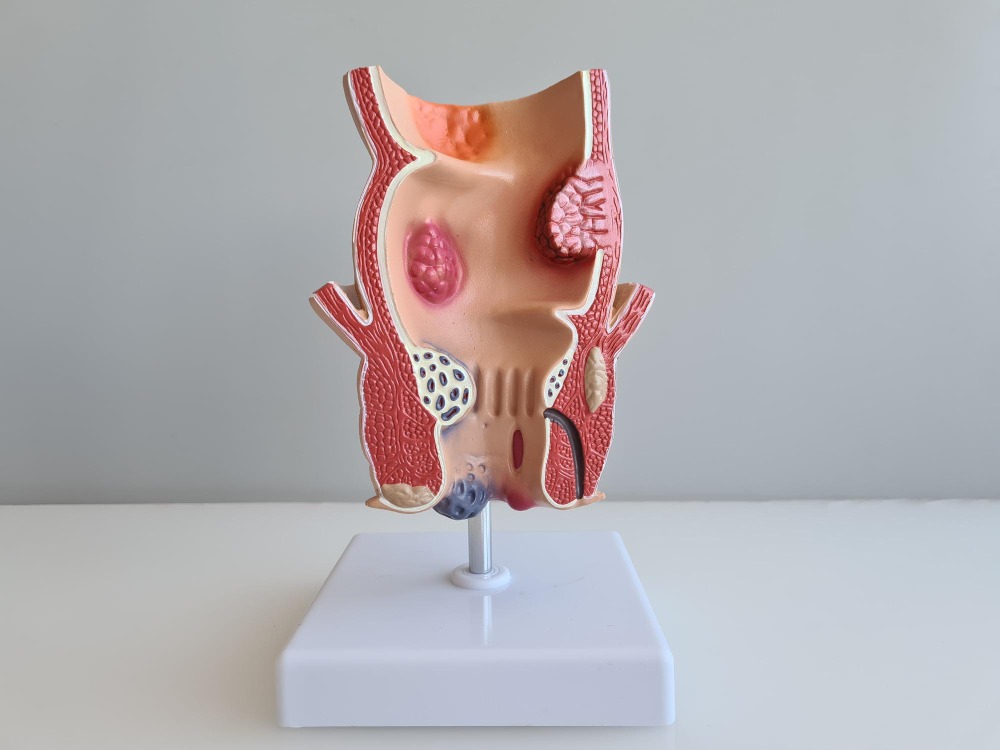
Piles, medically known as hemorrhoids, are swollen blood vessels around the anus or lower rectum. They can cause bleeding, itching, discomfort, swelling, pain, or prolapse.
However, not every patient requires surgery.
People searching for a piles surgery hospital in Pune should first understand whether their symptoms are actually caused by hemorrhoids and whether conservative treatment has been adequately tried.
Rectal Bleeding Needs Proper Evaluation
Bright red blood during bowel movements is commonly associated with piles.
However, rectal bleeding may also occur because of other gastrointestinal or anal conditions.
Persistent or unexplained bleeding should therefore be medically evaluated rather than automatically assumed to be hemorrhoids.
A physical examination and additional investigations may be recommended depending on age, symptoms, and clinical findings.
When Non Surgical Treatment May Help
Early or mild hemorrhoidal symptoms may improve with changes that reduce constipation and straining.
Common recommendations can include:
- Increasing dietary fibre
- Drinking enough fluids
- Avoiding prolonged sitting on the toilet
- Reducing straining
- Treating constipation
- Using prescribed medicines
- Improving bowel habits
These measures may also remain important after a procedure because recurring constipation can contribute to future symptoms.
When Surgery or a Procedure May Be Considered
Intervention may be recommended when:
- Symptoms remain persistent
- Bleeding continues
- Piles repeatedly prolapse
- Conservative care has not provided sufficient relief
- Hemorrhoids are advanced
- Daily activities are significantly affected
The exact treatment depends on the type and grade of hemorrhoids.
Do Not Choose a Procedure Based Only on Advertising
Patients often search for terms such as laser piles treatment, painless piles surgery, or minimally invasive hemorrhoid treatment.
While different techniques may have specific advantages in selected cases, no single procedure is ideal for every patient.
The surgeon should first confirm:
- Diagnosis
- Grade of hemorrhoids
- Location
- Severity
- Previous treatment
- Associated anal conditions
Only then should procedure options be discussed.
Questions to Ask Before Surgery
Before choosing a piles surgery hospital in Pune, patients can ask:
- Has the diagnosis been confirmed?
- What grade of piles do I have?
- Do I definitely need surgery?
- What treatment alternatives exist?
- Which procedure is recommended and why?
- What anaesthesia will be used?
- How will pain be managed?
- How long is recovery expected to take?
- What bowel care is required afterward?
Clear answers help patients understand why a particular approach has been suggested.
Hospital Facilities Also Matter
A surgical procedure involves more than the surgeon alone.
Patients can consider whether the hospital has:
- Operation theatre facilities
- Anaesthesia support
- Preoperative assessment
- Infection-control processes
- Postoperative monitoring
- Nursing care
- Follow-up arrangements
At Dr. Masal Hospital, general surgery services are available within a multispeciality setting, allowing other medical conditions to be considered during surgical planning where necessary.
Recovery After Piles Surgery
Postoperative instructions may include advice about:
- Pain medicines
- Diet
- Fluid intake
- Stool softening
- Wound care
- Activity
- Follow-up
Patients should understand which symptoms require medical review.
Significant bleeding, worsening pain, persistent fever, difficulty passing urine, or other concerning symptoms should not be ignored.
Piles surgery should therefore begin with accurate diagnosis rather than simply choosing the latest procedure.
For patients in Pune, Maharashtra, the most appropriate care pathway is one that confirms the cause of symptoms, considers non-surgical measures where suitable, explains procedure choices clearly, and provides structured postoperative support.