
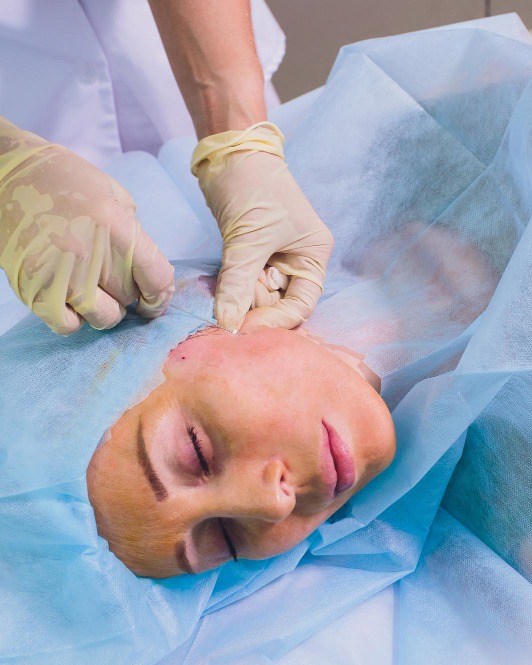
Plastic surgery is often associated with cosmetic procedures, but it also plays an important role in restoring function and appearance after injuries, burns, congenital conditions, or previous surgeries. People searching for a plastic surgeon near me may have concerns ranging from scar revision to reconstructive surgery or aesthetic enhancement.
Understanding what plastic surgery involves can help patients make informed decisions and choose treatment that aligns with their medical needs and personal goals.
Plastic Surgery Includes More Than Cosmetic Procedures
Plastic surgeons perform procedures that improve both appearance and function.
Common services include:
- Scar revision
- Reconstructive surgery
- Skin grafting
- Burn reconstruction
- Hand surgery
- Cosmetic facial procedures
- Liposuction
- Rhinoplasty
- Soft tissue reconstruction
Each treatment is planned according to the patient's condition, expectations, and overall health.
When Reconstructive Surgery Is Recommended
Reconstructive procedures aim to restore normal function and appearance following illness or injury.
They may be advised after:
- Accidents
- Burns
- Cancer surgery
- Congenital abnormalities
- Chronic wounds
- Severe infections
- Traumatic injuries
The primary objective is to improve quality of life while supporting physical recovery.
Cosmetic Procedures Require Careful Planning
Patients considering cosmetic surgery should understand that every procedure has benefits, limitations, and recovery requirements.
Before recommending surgery, a plastic surgeon evaluates:
- Overall health
- Medical history
- Skin quality
- Desired outcome
- Lifestyle factors
- Realistic expectations
A detailed consultation allows patients to understand available options and expected results.
Questions to Ask During Your Consultation
Choosing a qualified surgeon begins with asking the right questions.
Helpful topics include:
- Is surgery the best option?
- What alternatives are available?
- What preparation is required?
- How long is recovery?
- What are the possible risks?
- When can normal activities resume?
Open communication helps patients feel more confident about their treatment decisions.
Understanding Recovery After Plastic Surgery
Recovery depends on the type and complexity of the procedure.
Patients are commonly advised to:
- Follow wound care instructions
- Take prescribed medications
- Attend follow-up appointments
- Avoid strenuous activity during healing
- Maintain a healthy diet
- Report unusual swelling or fever promptly
Following postoperative guidance contributes to smoother healing and better outcomes.
Safety Should Always Come First
Successful plastic surgery depends not only on surgical expertise but also on proper patient selection, safe operating facilities, and comprehensive postoperative care.
Patients should choose hospitals that offer:
- Experienced plastic surgeons
- Modern operation theatres
- Advanced surgical equipment
- Qualified anesthesia support
- Emergency medical facilities
- Multidisciplinary specialist care
These factors contribute to safe surgical planning and effective recovery.
Why Comprehensive Hospital Support Matters
Some patients undergoing reconstructive procedures also require input from general surgeons, orthopedic specialists, physicians, or pediatricians depending on the underlying condition.
Receiving coordinated care within a multispeciality hospital simplifies treatment planning and follow-up while ensuring different specialists work together when necessary.
People across Pune often value hospitals that combine surgical expertise with comprehensive medical services. Dr Masal Hospital provides plastic surgery care supported by experienced specialists, modern surgical facilities, and multidisciplinary medical teams, allowing patients to receive individualized treatment in a well-equipped healthcare environment.
Whether the goal is functional reconstruction or aesthetic improvement, consulting a qualified plastic surgeon helps patients understand the available options and choose a treatment plan that prioritizes safety, realistic outcomes, and long-term wellbeing.