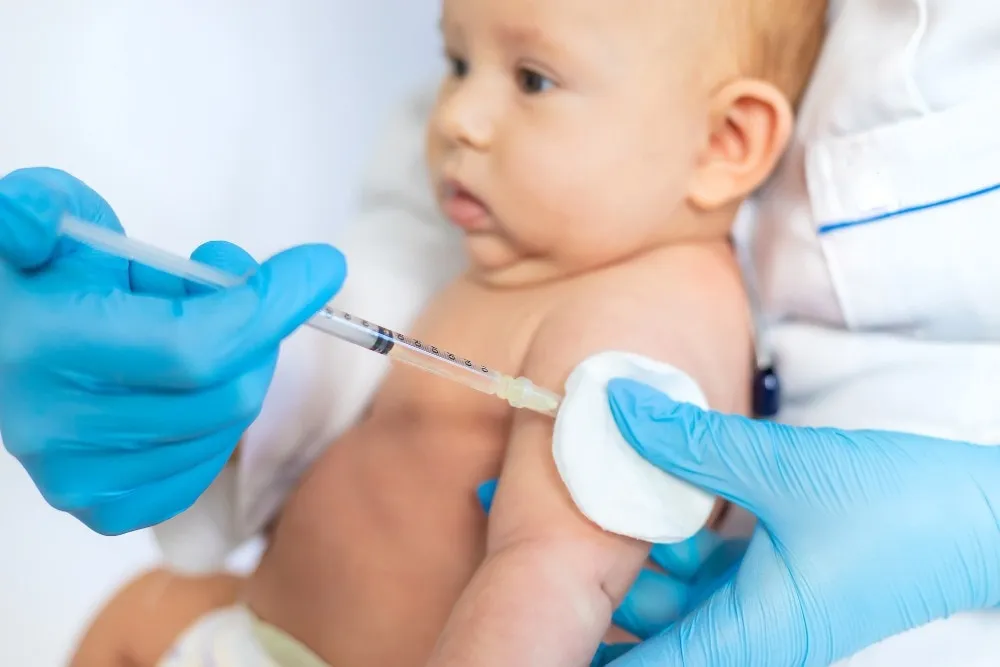
A chronic diagnosis does not automatically mean that your child must skip vaccines, but the diagnosis, current medicines, immune status, and vaccine type can change the plan. By the end, you will know what to take to the appointment, which questions to ask, when a dose may be postponed, and how to assess a vaccination facility in Pune.
Key takeaways
- Do not delay vaccines solely because your child has a chronic diagnosis.
- Ask whether live vaccines need review for immune deficiency or cancer treatment.
- Carry the immunization card, diagnosis reports, prescriptions, and discharge summary.
- Seek urgent care for breathing difficulty, seizures, facial swelling, or unusual drowsiness.
How a child’s diagnosis changes the vaccination decision
Children with congenital heart disease, chronic lung disease, kidney disease, epilepsy, diabetes, malnutrition, cancer, or immune deficiency are not automatically excluded from vaccination. These diagnoses require a pre-vaccination assessment because delaying protection can create greater risk than giving the dose.
A search for baby vaccination center pediatric treatment in pune should begin with one question: will a qualified pediatrician assess the child, or will staff administer a dose mechanically? The clinician reviews the diagnosis, current health, immune status, medicines, recent hospitalisations, and the specific vaccine involved.
| Situation | Vaccination decision | What it means |
|---|---|---|
| Severe allergic reaction to a previous dose or vaccine component | Do not give that vaccine or component | This is a true contraindication |
| Moderate or severe acute illness | Postpone until the child improves | The illness, not the diagnosis alone, drives the delay |
| Mild cough, low-grade fever, or antibiotic treatment | Usually vaccinate | These are usually not reasons to cancel |
Ask the baby vaccination center to explain any delay and record the next plan. A child receiving immune-suppressing treatment needs careful review before vaccination, especially when the vaccine has special immune-status considerations.
Do not attend a routine vaccination visit if the child has breathing difficulty, blue lips, a seizure, severe dehydration, altered consciousness, or rapidly worsening illness. Seek emergency assessment instead; vaccination cannot substitute for urgent pediatric care.
Which vaccines and formulations need specialist review
Live vaccines contain weakened organisms. Measles-mumps-rubella, varicella, and rotavirus vaccines are examples. They can cause concern when immunity is significantly suppressed, so treatment details matter.
| Vaccine type | Examples | Main review point |
|---|---|---|
| Live | Measles-mumps-rubella, varicella, rotavirus | Review before use during intensive immune suppression |
| Non-live or inactivated | Influenza injection, pneumococcal, hepatitis A | Usually different safety concerns, but treatment can weaken the immune response |
| Non-live products | COVID-19 vaccines | Check the child’s age and current local recommendations |
Intensive chemotherapy, selected biologic medicines, high-dose steroids, or other immunosuppressive treatment can require a specialist review before a live vaccine. A non-live vaccine is not automatically unsuitable, but it may produce less protection during treatment; the child specialist doctor may adjust timing or plan another dose after recovery.
A bleeding disorder or anticoagulant treatment calls for injection planning, not automatic vaccine omission. The vaccinator may select an appropriate technique and bleeding-control measures for an intramuscular injection.
Ask the child specialist doctor about these vaccines only when the child’s age, diagnosis, exposure risk, treatment, and schedule support discussion:
- Influenza
- Pneumococcal
- Meningococcal
- Hepatitis A
- Varicella
- COVID-19
This list is not a prescription: a child does not need every vaccine listed. The clinician should match each product to the child’s condition and current treatment.
What happens after surgery, hospitalization, or a missed dose
There is no universal waiting period after surgery, hospitalization, a serious infection, blood transfusion, or immunoglobulin treatment. Vaccination depends on the child’s recovery and the vaccine being considered.
1. Give the pediatrician the procedure date, recovery status, discharge diagnosis, transfusion or immunoglobulin product and date, current medicines, planned procedures, and the specific vaccine under consideration. A child who is still moderately or severely ill may need vaccination delayed until recovery.
2. Do not guess after immunoglobulin or blood products. These treatments can affect the timing of certain live vaccines, including measles-containing vaccines and varicella, so the pediatrician must check the product and interval before scheduling them.
3. A missed dose usually does not mean restarting the series. The clinician uses a catch-up schedule while observing each vaccine’s minimum age and minimum interval between doses.
4. Ask whether the clinic follows the Indian National Immunization Schedule, a private-sector pediatric schedule, or both. These are not interchangeable lists; a vaccine may be part of the government programme or an additional private recommendation.
5. Before leaving the baby vaccination center, obtain the product name, dose number, and next-dose date in writing. Keep that record with the child’s vaccination card and discharge papers so another clinician can continue the schedule accurately.
What to carry and what to verify at a Pune vaccination center
Bring written records, not just a verbal account, because missing dates or doses can lead to unnecessary repeat vaccination or a missed dose.
- Diagnosis summary, including immune or bleeding disorders
- Current medicines, doses, steroids, biologics, and anticoagulants
- Allergy history and reactions to earlier vaccines or medicines
- Previous vaccination card or digital record
- Discharge papers and recent hospitalisation details
- Recent blood reports
- Treating specialist’s written advice, including planned procedures or restrictions
A facility found through a “pediatrician near me” search should answer these questions before injection:
| Check | Ask for | Why it matters |
|---|---|---|
| Pediatric care | Is a qualified pediatrician present to assess this child? | A listing does not prove specialist availability. |
| Cold chain | Are vaccines kept within each manufacturer’s temperature range, with documented monitoring? | Poor storage can reduce vaccine effectiveness. |
| Records | Will you receive the product name, batch number, expiry date, dose number, and next-dose date? | You need traceability and an accurate catch-up plan. |
| Observation | What emergency equipment is available, and how long is the child observed after injection? | Rapid treatment matters if a severe reaction occurs. |
“Baby vaccination center” is a service description, not an accreditation or quality designation. Confirm which schedule is used: the Indian National Immunization Schedule, a private-sector schedule, or both.
If considering Dr Masal Hospital 08042755436, confirm its current pediatrician-led vaccination arrangements, available vaccine brands, record-keeping process, and coordination with the treating specialist directly. Do not treat a “baby vaccination center” listing as proof of accreditation or specialist care.
How to monitor the child after vaccination
Local soreness, swelling at the injection site, and a short-lived fever are common after vaccination. These reactions usually settle with observation and comfort measures.
Ask the vaccinator which symptoms are expected from that specific product and what dose of fever medicine, if any, suits your child’s weight. Do not give aspirin to a child unless a clinician specifically directs it.
| Reaction | What it may look like | What to do |
|---|---|---|
| Expected | Soreness, local swelling, or brief fever | Follow the vaccinator’s advice and monitor the child |
| Urgent | Breathing difficulty, facial or throat swelling, collapse, or widespread hives | Seek immediate medical assessment; these can indicate a severe allergic reaction |
Keep the updated vaccination record and write down the next dose date. Report a significant reaction to the pediatrician, then tell every future clinician about the reaction and the vaccine batch number.
For a child with complex illness, pediatric treatment in pune should be coordinated with vaccination follow-up. Bring the child’s records and ensure the vaccination clinician knows about recent hospitalizations, surgery, fever, steroid or biologic treatment, transfusions, and planned procedures.
A child who is rapidly worsening, has blue lips, a seizure, severe dehydration, or altered consciousness needs emergency care, not a routine injection without review.
Frequently asked questions
Does a chronic illness prevent my child from receiving vaccines?
No. Congenital heart disease, lung disease, kidney disease, epilepsy, diabetes, and malnutrition do not automatically exclude a child. The pediatrician reviews the diagnosis, medicines, current health, and vaccine type before vaccination.
Which vaccines need specialist review for a child with health problems?
Live vaccines need specific review for children with immune deficiency, cancer, or immune-suppressing treatment. The doctor also checks vaccine formulations, previous reactions, current medicines, and whether surgery or hospitalization changed the schedule.
What happens after surgery, hospitalization, or a missed vaccine dose?
Bring the discharge summary and immunization card. The pediatrician checks recovery, postpones vaccination during significant acute illness when appropriate, and creates a catch-up plan. Do not restart the entire series unless the doctor advises it.
What should I carry to a baby vaccination center in Pune?
Carry the child’s immunization card, birth and medical records, diagnosis reports, current prescriptions, allergy details, discharge summaries, and information about previous vaccine reactions.
Which post-vaccination symptoms require urgent medical attention?
Seek urgent care for breathing difficulty, facial swelling, a seizure, collapse, persistent inconsolable crying, or unusual difficulty waking the child. Contact the pediatrician for fever or swelling that concerns you.
Keywords