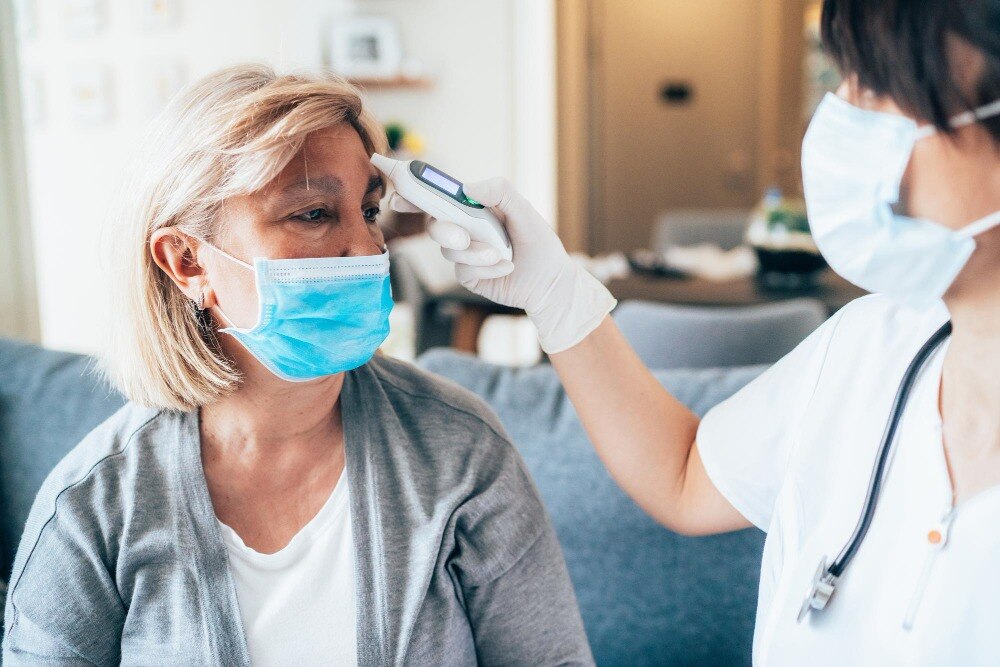
A fever of 38°C (100.4°F) is a useful warning point, but the duration, measurement method, age, medical history, and accompanying symptoms determine what you should do next. By the end, you will know when home monitoring is reasonable, when to book a general physician, what information to record, and which symptoms require urgent care.
Key takeaways
- Book a consultation for fever lasting over three days or worsening symptoms.
- Seek emergency care for breathing trouble, confusion, seizures, or severe dehydration.
- Record the temperature, measurement method, duration, and medicines taken.
- Testing matters when fever is persistent, recurrent, severe, or exposure-related.
How High or Long Does a Fever Need to Be Before You Book a Consultation?
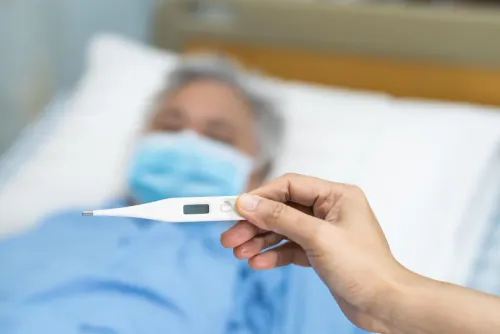
A measured temperature of 38°C (100.4°F) or higher is a fever. The measurement method matters: an armpit (axillary) reading can be less accurate than an oral, ear (tympanic), or rectal reading, so record the method with the number. Age, duration, and the person’s condition matter as much as the reading.
| Age or situation | Arrange medical review when | Do not wait for a higher reading when |
|---|---|---|
| Infant younger than 3 months | Rectal temperature is 38°C or higher; seek prompt assessment | Do not rely on home observation or repeated fever medicine |
| Child aged 3–6 months | Temperature is 39°C or higher | Poor feeding, reduced drinking, breathing difficulty, unusual sleepiness, or a seriously unwell appearance |
| Older child | Fever persists, feeding or drinking is abnormal, or behaviour or alertness changes | A seriously ill appearance needs assessment at a lower temperature |
| Adult | Fever lasts more than three days, returns repeatedly, or worsens instead of improving | Contact a physician earlier if risk factors apply |
Older adults, pregnant people, immunocompromised patients, and people with heart, lung, kidney, or liver disease should contact a physician earlier for fever or suspected infection. Complications can develop faster, and pregnancy or organ disease changes which medicines and tests are safe.
When booking with Dr Priyanka Masal or another general physician, provide the readings, method, start date, medicines taken, fluid intake, urine output, and relevant conditions.
Which Fever Symptoms Mean You Need Urgent or Emergency Care?
The symptom pattern matters more than the thermometer reading. Seek emergency care for any of these warning signs:
- Difficulty breathing, blue lips, or chest pain
- New confusion or inability to stay awake
- A seizure or stiff neck
- A purple rash or spots that do not fade when pressed
- Persistent vomiting
- Severe dehydration, especially very little urine
| Situation | What to do | Why it matters |
|---|---|---|
| Breathing, neurological, or circulation symptoms | Call emergency services now | These signs can indicate a life-threatening infection or organ problem |
| Fever with vomiting or diarrhoea | Seek urgent evaluation if fluids will not stay down | Dehydration can worsen quickly |
| A seriously unwell child | Arrange urgent assessment at any temperature | Appearance, breathing, alertness, feeding, and hydration matter more than a threshold |
Dehydration signs include a dry mouth, dizziness, sunken eyes, unusual sleepiness, very little urine, or inability to keep fluids down. Give oral rehydration solution rather than undiluted fruit juice or soft drinks; its glucose-and-salt balance improves fluid absorption.
Use a lower threshold for urgent review in infants, frail older adults, pregnant patients, people with weakened immunity, and those with serious heart, lung, kidney, or liver disease. A child who looks seriously ill needs assessment even when the temperature is below the age-based threshold.
How Should You Measure Fever and Prepare for the Appointment?
1. Use an oral, axillary, tympanic, or rectal thermometer according to the device instructions. Place it correctly, wait the specified time, and record the exact reading, time, and method.
Do not report only “38°C”: an armpit reading can be less accurate than an oral, ear, or rectal reading, so the number without its method can mislead a clinician.
2. Repeat the measurement when the person feels hotter, chills return, or symptoms worsen. Keep the record on paper or your phone, including the highest reading and each repeated reading. Do not compare readings from different methods as if they were identical.
- Fever start date, highest temperature, repeated readings, and measurement methods
- Chills, cough, sore throat, diarrhoea, vomiting, urinary symptoms, rash, and breathing changes
- Fluid intake and urine output
- Recent travel and contact with someone who was ill
- Vaccination status
- Medicines already taken, including names, doses, and times
- Pregnancy status and underlying conditions
This record helps a general physician decide whether you need an examination, blood tests, urine testing, chest imaging, or disease-specific testing. Bring the thermometer or its instructions if you are unsure whether you used it correctly.
When Could a Fever Need Testing Instead of Treatment for a “Routine” Infection?
Symptoms alone cannot reliably distinguish a viral illness, bacterial infection, pneumonia, urinary infection, malaria, dengue, or another cause. Most colds, uncomplicated viral sore throats, influenza, and many COVID-19 infections do not improve with antibiotics.
- Cough, runny nose, hoarseness, conjunctivitis, or oral ulcers make a viral sore throat more likely. Suspected streptococcal infection is better assessed with a rapid antigen test or throat culture than symptoms alone.
- Fever with breathlessness, chest pain, or abnormal chest findings may require assessment for pneumonia. Burning urination, urgency, or flank pain may require urine testing.
- Fever after travel to, or residence in, a malaria-risk area needs prompt testing. Malaria can resemble influenza, deteriorate quickly, and produce an early negative result; repeat testing is needed when suspicion remains high.
- In a dengue-risk setting, seek medical assessment for fever with severe headache, body aches, nausea, rash, bleeding, abdominal pain, persistent vomiting, or extreme weakness.
- Ask Dr Priyanka Masal which tests fit your exposure, examination findings, local infection circulation, risk factors, and treatment decisions. Influenza or COVID-19 testing is useful when the result will guide isolation, monitoring, antiviral treatment, or protection of high-risk contacts.
- A physician may prescribe antibiotics after examination or testing, but never reuse leftovers. Complete the prescribed course unless the prescriber tells you to stop; do not stop early without medical advice.
What Fever Relief Is Safe While You Arrange Medical Advice?
Paracetamol is used to relieve distress, not to force the thermometer reading back to normal or prevent every febrile seizure. Before giving it, confirm the exact product, dose, timing, and maximum daily amount with a clinician or pharmacist, using the patient’s age and weight where relevant.
- Check cold, flu, and pain products separately; combining them can deliver too much paracetamol.
- Never give aspirin to a child.
- If dengue has not been excluded, avoid aspirin and non-steroidal anti-inflammatory drugs such as ibuprofen because they increase bleeding risk. Paracetamol is generally preferred when used exactly as directed.
- Do not routinely alternate paracetamol and ibuprofen unless a clinician advises it; the schedule makes dosing errors more likely.
- Offer frequent fluids. Give oral rehydration solution during vomiting or diarrhoea rather than undiluted fruit juice or soft drinks.
- Seek urgent care if the person cannot drink, cannot keep fluids down, or is urinating markedly less than usual.
If you are deciding whether to consult Dr Priyanka Masal at Dr Masal Hospital 08042755436, bring recorded temperatures with their measurement method, medicine packaging, travel and exposure history, vaccination details, and chronic-condition information. Include pregnancy information where relevant. These details help the consultation lead to an appropriate examination or test instead of guesswork.
Related services
General Physician & Family Doctor Looking for a trusted General Physician in Pune for complete family healthcare? Dr Masal Hospital is known for reliable diagnosis, ethical treatment,... View service → |
Best Hospital for Medicine in Pune – Comprehensive Internal Care at Dr Masal Hospital When it comes to accurate diagnosis, effective treatment, and... View service → |
Frequently asked questions
How high or long does a fever need to be before you book a consultation?
Book a consultation for a temperature of 38°C (100.4°F) or higher that lasts more than three days, returns after improving, or comes with worsening symptoms. Contact a doctor sooner for infants, older adults, pregnant people, or anyone with a weakened immune system.
Which fever symptoms mean you need urgent or emergency care?
Seek emergency care for difficulty breathing, chest pain, confusion, fainting, seizures, a stiff neck with severe headache, blue lips, or inability to keep fluids down. Get urgent medical advice for severe dehydration, a rapidly spreading rash, or a markedly unwell child.
How should you measure fever and prepare for the appointment?
Use a digital thermometer and record the temperature, time, and method: oral, ear, armpit, or rectal. Bring a list of symptoms, recent travel or sick contacts, medical conditions, allergies, medicines, and the time each medicine was taken.
When could a fever need testing instead of treatment for a routine infection?
Ask about testing when fever persists, recurs, becomes severe, or follows travel, mosquito exposure, unsafe food or water, or contact with a specific infection. Testing can identify causes such as influenza, COVID-19, urinary infection, malaria, dengue, or typhoid when symptoms and exposure support them.
Keywords