Recovery depends on whether the operation remains laparoscopic, whether a bile-duct stone is also treated, and how your body responds after the gallbladder is removed. You will be able to recognise urgent symptoms, plan the first two weeks, care for your incisions, manage medicines safely, and assess the practical support offered by a surgical team.
Key takeaways
- Symptom-free incidental stones are often monitored rather than removed.
- Expect walking and light meals soon after laparoscopic cholecystectomy.
- Do not drive while taking opioid pain medicine or before emergency braking feels safe.
- Seek urgent care for fever, worsening pain, jaundice, or pus from an incision.
When gallstones need surgery and how doctors confirm the diagnosis
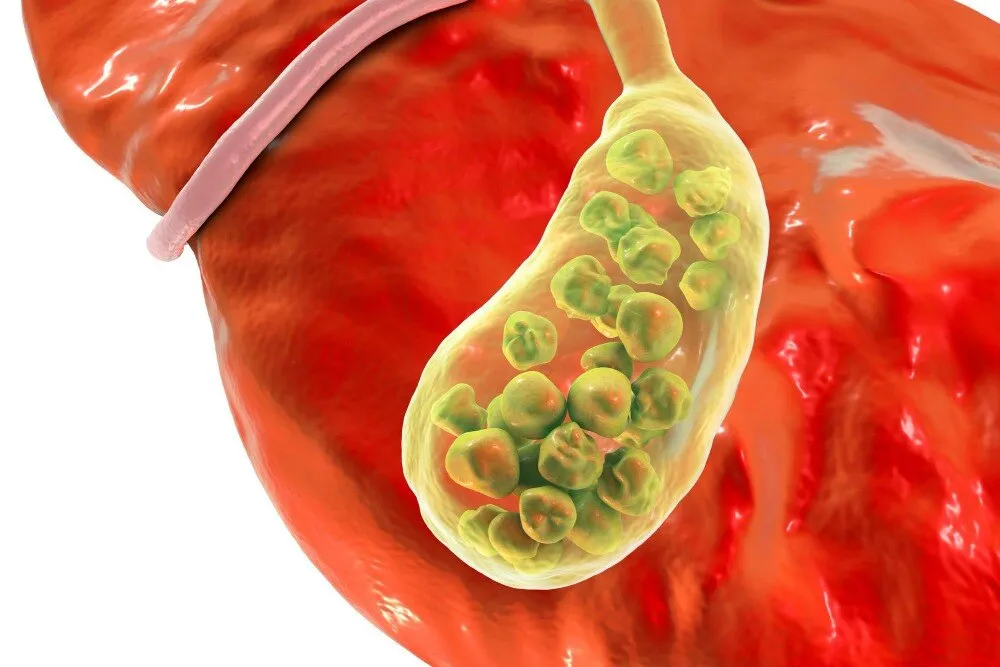
Symptom-free stones found incidentally are often observed, not operated on. Recurrent biliary pain, acute cholecystitis, gallstone pancreatitis, or selected bile-duct complications commonly lead to treatment. Cholesterol stones are the most common type; pigment stones contain bilirubin-related material.
| Location | What it means | Main concern |
|---|---|---|
| Gallbladder | Stones remain inside the gallbladder | Repeated pain or inflammation |
| Common bile duct | Stones obstruct the drainage channel | Jaundice, pancreatitis, or infection |
Repeated right-upper-abdominal pain after meals needs medical assessment, especially when the pain lasts several hours. Seek prompt or urgent care for fever, jaundice, persistent vomiting, or severe abdominal tenderness rather than routine scheduling.
Abdominal ultrasound is usually the first test. Doctors often order liver-function tests, including bilirubin, AST, ALT, ALP, and GGT, to look for duct obstruction or inflammation.
A dilated bile duct, abnormal liver tests, jaundice, pancreatitis, or an uncertain ultrasound result can lead to MRCP, CT, or endoscopic ultrasound. ERCP passes an endoscope to remove or treat a common-bile-duct stone; it is not the same operation as gallbladder stone surgery, which usually removes the gallbladder.
What happens before and on the day of laparoscopic cholecystectomy
Gallbladder stone surgery usually removes the entire gallbladder, not just the stones. Leaving the organ behind allows new stones to form, so the operation is called a cholecystectomy.
1. Before surgery, follow the hospital’s fasting deadline exactly: stop food and drinks at the stated time, including tea, water, and chewing gum if instructed. Tell the team about every medicine, especially blood thinners such as warfarin, apixaban, or aspirin, and diabetes medicines, because some doses require adjustment. Do not stop prescribed treatment without instructions.
2. The team reviews your symptoms, previous operations, allergies, and medical conditions. Consent should cover laparoscopic surgery, important risks, alternatives, and the possibility of open surgery. Blood tests may include a blood count, liver-function tests, kidney tests, and clotting tests. An anaesthesia assessment checks your airway, heart, lungs, fasting status, and medicines before general anaesthesia.
3. During the usual laparoscopic operation, the surgeon makes small incisions near the navel and upper abdomen. A camera enters through one incision, while instruments remove the gallbladder through the others. The operation’s duration varies with anatomy and inflammation.
The surgeon may switch to an open operation if bleeding, scarring, severe inflammation, unclear anatomy, or another safety concern makes keyhole surgery unsafe.
4. In the recovery room, staff monitor breathing, blood pressure, pulse, pain, nausea, and alertness. Discharge usually requires stable vital signs, controlled pain and nausea, ability to drink, safe movement, and no concern requiring inpatient observation.
Many uncomplicated laparoscopic patients go home the same day or after one night; open surgery usually needs a longer stay.
Your recovery timeline: walking, eating, bathing, driving, and work
Recovery after gallbladder stone surgery is gradual, even when the incisions are small. Your written discharge plan overrides any generic timeline, especially after open conversion or bile-duct treatment.
During the first 24 hours, expect grogginess, abdominal soreness, bloating, and shoulder-tip pain from residual carbon dioxide. Take short supported walks, sip fluids, and choose small meals. Arrange an adult to help at home.
Days 2–7 usually involve gradually longer walks and smaller, lower-fat meals. Shower only when directed; do not soak in a bath or pool. Fatigue can continue despite small incisions. Temporary nausea, bloating, or loose stools can occur as bile flows continuously into the intestine; reintroduce foods gradually.
| Laparoscopic surgery | Open surgery |
|---|---|
| Small incisions; walking usually increases over several days | Larger incision; walking and stamina recover more slowly |
| Many people resume ordinary activities or desk work during week two when pain and stamina permit | Return to work and normal activity usually takes substantially longer |
| Physical work needs surgeon-set lifting limits | Lifting limits and recovery are usually longer and stricter |
Do not drive while taking sedating opioid medicine or when pain could prevent an emergency stop. Physical jobs require more time than desk work, and your surgeon must set lifting restrictions. Persistent diarrhea, severe or bloody diarrhea, dehydration, or inability to eat needs medical review.
Incision care, pain medicines, and warning signs after discharge
Change dressings exactly as the discharge sheet instructs. Keep each incision dry for the stated period and shower only after the team permits it. Avoid baths, swimming, and other soaking until the wounds have healed or the surgical team approves it. Call if drainage, pus, spreading redness, wound separation, increasing swelling, or worsening tenderness develops.
Take every prescribed pain medicine at the stated dose and interval. The treating surgeon or anaesthetist must specify the medicine and dose. Check combination tablets carefully: do not duplicate paracetamol by taking separate paracetamol with another tablet that already contains it.
Opioids can cause constipation, excessive sleepiness, confusion, or slowed breathing; seek advice rather than taking an extra dose.
Seek urgent clinical advice for:
- Fever or increasing abdominal pain, which can signal infection, bleeding, or bile leakage.
- Repeated vomiting, jaundice, dark urine, or pale stools, which can indicate a retained bile-duct stone or bile-flow problem.
- Breathlessness, chest pain, or a painful swollen leg, which can indicate a blood clot.
Before discharge, confirm the follow-up date, how and when the pathology result will be communicated, whether a drain or dressing needs review, which medicines to restart or avoid, and the out-of-hours contact number. Use that number if symptoms worsen outside clinic hours.
How to judge the surgical team and prepare for a safer follow-up
Advertising and proximity do not identify the best hospital for surgery. For a general surgeon near me search, identify the operating surgeon and ask whether the team performs laparoscopy and can convert to open surgery when anatomy, scarring, inflammation, or bleeding requires it.
1. Confirm who manages general anesthesia, who monitors you, and how bile-duct stones, bleeding, infection, and after-hours deterioration are handled.
2. Tell the team about previous abdominal operations, allergies, possible pregnancy, anticoagulants, diabetes, heart or lung disease, and every current medicine.
3. Ask the surgeon to explain alternatives, individualized risks, consent, and the plan if the operation changes.
There is no universal schedule for gallbladder stone surgery recovery dr masal hospital in pune. The surgeon’s written plan takes priority after open conversion or combined bile-duct treatment.
Before discharge, confirm these points:
- The operation performed and whether a drain remains.
- Lifting, driving, work, dressing, and bathing restrictions, plus medicines to start, stop, or restart.
- How pathology results will reach you, the follow-up date, drain review, and a direct after-hours contact number.
Dr Masal Hospital 08042755436 can be included in a Pune comparison, but choose on the named operating team, anesthesia and emergency arrangements, clear consent, and follow-up—not advertising alone.
Frequently asked questions
When do gallstones usually need surgery?
Recurrent biliary pain, acute cholecystitis, gallstone pancreatitis, and selected bile-duct complications commonly lead to surgery. Symptom-free stones found incidentally are often observed.
How do doctors confirm gallstones before surgery?
Doctors assess your symptoms and examine you, then commonly use an abdominal ultrasound. Blood tests and further bile-duct imaging help assess inflammation, obstruction, or pancreatitis.
How soon can I walk and eat after laparoscopic cholecystectomy?
Most patients are encouraged to walk soon after surgery and begin with fluids or light food as tolerated. Increase activity and food gradually according to your surgeon’s instructions.
When can I drive, bathe, and return to work?
Drive only when you are no longer taking sedating pain medicine, can move comfortably, and can perform an emergency stop. Follow incision instructions for bathing; desk work often resumes sooner than strenuous work.
Which symptoms require medical attention after discharge?
Contact your surgical team urgently for fever, worsening or uncontrolled pain, repeated vomiting, yellow skin or eyes, increasing abdominal swelling, breathing trouble, or redness, pus, or separation at an incision.
Keywords