A Caesarean section may be planned before labour or recommended unexpectedly during childbirth. Women searching for a C section delivery hospital in Pune often want to understand why the procedure may be advised, what happens before surgery, and how recovery is managed afterward.
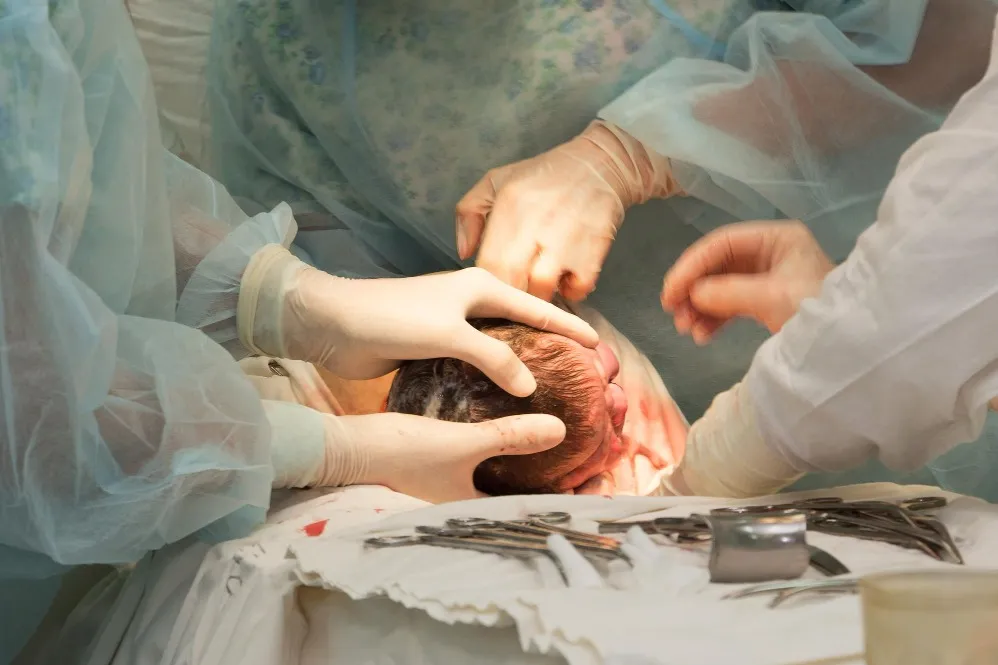
A C-section is a surgical procedure in which the baby is delivered through incisions made in the abdomen and uterus. Although it is commonly performed, it remains major surgery and requires proper obstetric assessment, anaesthesia, monitoring, infection prevention, and postoperative care.
At Dr. Masal Hospital, Dr. Vinayak Masal, Obstetrician and Gynecologist, evaluates maternal and fetal factors before advising the appropriate mode of delivery based on the individual pregnancy.
Why a C Section May Be Recommended
There is no single reason why Caesarean delivery becomes necessary.
Possible situations include:
- Placenta-related complications
- Certain fetal positions
- Fetal distress
- Labour that is not progressing adequately
- Multiple pregnancy in selected cases
- Previous uterine surgery
- Maternal health conditions
- Other obstetric complications
The presence of one risk factor does not automatically mean surgery will be required. The complete clinical situation is evaluated before a recommendation is made.
Planned and Emergency C Sections
A planned Caesarean section provides more time for preparation. The mother can discuss fasting instructions, admission timing, anaesthesia, pain management, hospital stay, breastfeeding, wound care, and recovery in advance.
An emergency C-section may be recommended when a complication develops during pregnancy or labour and timely delivery is considered safer.
Hospitals providing Caesarean delivery therefore need more than a surgical theatre. Coordination among obstetric, anaesthesia, nursing, newborn, diagnostic, and emergency teams can become important.
What Happens Before the Procedure
Before surgery, the healthcare team may review:
- Pregnancy history
- Current medical conditions
- Blood investigations
- Medications
- Allergies
- Previous surgeries
- Anaesthesia history
The mother should mention any medicines or supplements she is taking and any previous problems related to anaesthesia or bleeding.
The reason for surgery, expected process, and relevant risks should be explained before consent.
What Happens During Recovery
Recovery after Caesarean birth is usually more gradual than after an uncomplicated vaginal delivery.
Initial postoperative care may include:
- Pain management
- Monitoring blood pressure and pulse
- Checking vaginal bleeding
- Wound observation
- Gradual mobilisation
- Hydration
- Dietary progression
- Breastfeeding support
Early movement may be encouraged when medically appropriate because prolonged immobility can contribute to postoperative complications.
Preparing for Discharge
Before going home, mothers should understand:
- How to care for the surgical wound
- How and when to take medications
- Which activities should temporarily be limited
- When follow-up is required
- Which symptoms need medical review
- How to gradually increase physical activity
Concerning symptoms can include increasing wound redness, persistent fever, heavy bleeding, worsening pain, breathing difficulty, or significant weakness.
Emotional Preparation Is Also Important
Some women feel disappointed if a planned vaginal delivery changes to a Caesarean section. Others may be anxious about undergoing surgery.
Clear communication can help mothers understand that the aim is not to promote one delivery method over another. The safest mode of childbirth depends on the condition of the mother and baby at that particular time.
What to Look for in a Hospital
Families comparing hospitals in Pune, Maharashtra can consider whether the facility provides obstetric monitoring, operating theatre access, anaesthesia services, newborn care, postoperative observation, and emergency readiness.
A C section delivery hospital in Pune should also provide clear counselling before and after surgery so families understand what to expect.
At Dr. Masal Hospital, maternity and surgical care are supported within a multispeciality environment, allowing additional medical concerns to be evaluated when necessary.
A well-managed Caesarean journey includes appropriate indication, surgical preparation, safe anaesthesia, newborn assessment, pain control, wound monitoring, breastfeeding guidance, and structured recovery support.
Keywords