A single normal glucose reading cannot show whether diabetes is controlled, and symptoms often appear only after complications develop. By following a structured monitoring plan and reviewing the results with a clinician, you can identify treatment problems earlier, reduce avoidable risks, and know when urgent care is needed.
Key takeaways
- Record glucose readings with times, meals, medicines and symptoms.
- Use HbA1c with glucose trends before changing diabetes treatment.
- Schedule checks for blood pressure, kidneys, feet, eyes, teeth and vaccinations.
- Seek prompt medical care for severe low sugar, vomiting, confusion or breathing difficulty.
What diabetes management includes beyond taking medicine
Regular diabetes care measures more than a glucose number. It combines home readings with HbA1c, which reflects average blood glucose over roughly two to three months; one home reading cannot replace it. A complete review also checks blood pressure, cholesterol, kidney function, feet, medication safety, dental health, vaccinations and emotional wellbeing.
Ask Dr Priyanka Masal or another qualified clinician to set targets for your treatment and health status.
- Blood glucose: use a structured schedule that matches your medicines and risk of low glucose, rather than checking as often as possible.
- HbA1c: repeat it at intervals chosen for your control and treatment changes.
- Kidney health: request urine albumin-to-creatinine ratio and estimated glomerular filtration rate.
- Feet and eyes: look for reduced sensation, wounds and retinal disease before symptoms appear.
- Medicines: review doses, side effects and safety during illness, dehydration, pregnancy or surgery.
| Type | Why monitoring differs | What care may emphasise |
|---|---|---|
| Type 1 diabetes | Insulin is essential, and missed basal insulin can cause diabetic ketoacidosis. | Frequent glucose checks or continuous glucose monitoring, carbohydrate planning and ketone guidance. |
| Type 2 diabetes | Treatment ranges from lifestyle changes to tablets or insulin, so testing value depends on the regimen. | HbA1c, cardiovascular risk, kidney screening and glucose checks when results will change treatment. |
| Gestational diabetes | Pregnancy uses tighter targets and requires maternal and fetal assessment. | Pregnancy-specific glucose targets, food review and obstetric follow-up. |
| Prediabetes | Glucose is elevated without established diabetes. | Weight, activity, blood pressure and periodic glucose or HbA1c reassessment. |
How to check and record glucose readings correctly
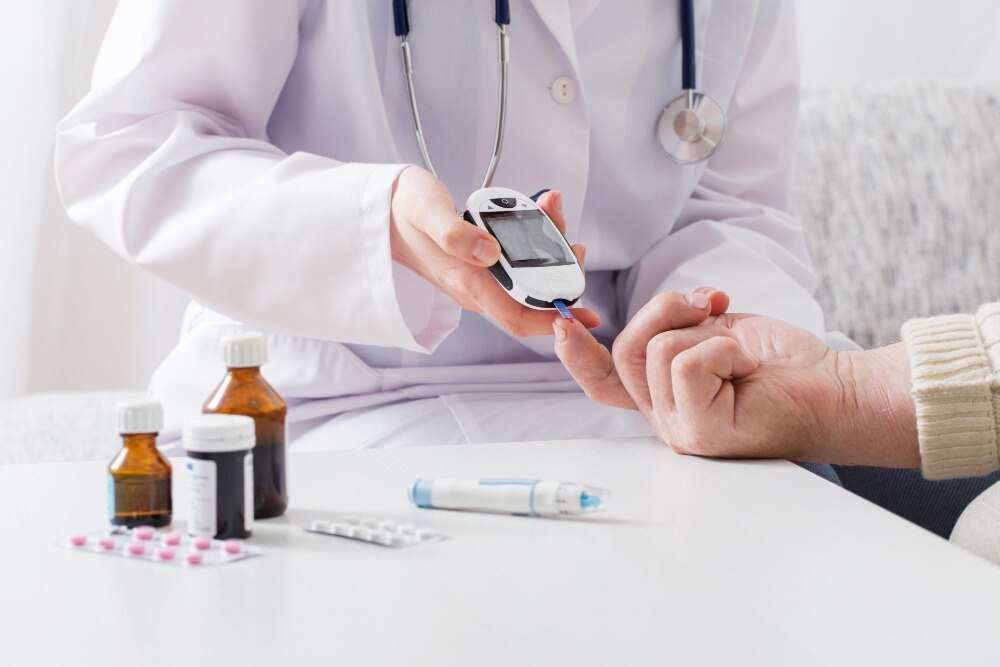
Check fasting glucose immediately after waking, before eating or drinking anything with calories, after at least eight hours without food. Pre-meal readings are taken just before breakfast, lunch, or dinner; post-meal readings are usually taken one to two hours after the first bite.
Bedtime testing shows whether glucose is safe before sleep and can reveal overnight risk.
- Wash and dry your hands, then use an in-date strip and a clean meter. Food residue on your fingers can produce a falsely high result.
- Record the date, time, glucose value, and whether it was fasting, before a meal, after a meal, or bedtime.
- Add details that explain the number: meal size and carbohydrate-heavy foods, medicine or insulin dose, exercise, alcohol, illness, stress, and symptoms.
- Follow the schedule prescribed for your treatment. Insulin users and people prone to low glucose often need more structured checks or continuous glucose monitoring; routine testing gives less useful information for some people with type 2 diabetes who do not use insulin.
- Review repeated patterns with your clinician rather than reacting to one unusual result. A home reading cannot replace an HbA1c test, which reflects average glucose over roughly two to three months.
Treat a reading below 70 mg/dL (3.9 mmol/L) as low: take about 15 grams of fast-acting carbohydrate, recheck in 15 minutes, and repeat if needed. If you need another person’s help, use your emergency plan.
How HbA1c and glucose trends guide treatment changes
A treatment change follows a pattern, not one unexpected number. HbA1c estimates average glucose over the previous two to three months, while repeated fasting, pre-meal, post-meal, bedtime, or overnight readings show when glucose rises or falls. A home reading cannot replace HbA1c.
Clinicians examine whether the pattern is consistent and whether it matches the person’s individualized goal. For many nonpregnant adults, the goal is below 7%, but a higher target can reduce danger for people with severe hypoglycemia, advanced complications, major illness, or limited life expectancy.
- High fasting readings may prompt a change in evening treatment, meal timing, or activity.
- Repeated post-meal rises may lead to smaller carbohydrate portions, more post-meal walking, or a medicine adjustment.
- High readings throughout the day may require a tablet change, combination therapy, or insulin.
- Readings below 70 mg/dL (3.9 mmol/L) may require reducing medicine or changing meal and activity plans. Treat a conscious person who can swallow with about 15 g of fast-acting carbohydrate, then recheck after 15 minutes.
Clinicians also check adherence, injection technique, missed meals, illness, and medication interactions before changing doses. Anemia, recent blood loss or transfusion, hemoglobin variants, kidney failure, and pregnancy can distort HbA1c; glucose data or fructosamine may be more useful. Bring the record to Dr Priyanka Masal or your treating clinician before making changes yourself.
Which complications and warning signs require planned follow-up
Kidney and eye damage can progress without pain or blurred vision, so planned checks matter even when glucose readings look acceptable. Ask your clinician to document these checks and set the next due date.
| Check | What it detects | When follow-up is commonly needed |
|---|---|---|
| Kidney | Urine albumin-to-creatinine ratio and estimated glomerular filtration rate (eGFR) | At least yearly for many adults with type 2 diabetes and after five years of type 1 diabetes; more often if abnormal |
| Eyes | Dilated retinal examination for diabetic retinopathy or macular swelling | At diagnosis for type 2 diabetes and within five years of type 1 diabetes; repeat interval depends on findings |
| Feet | Skin breaks, calluses, deformity, reduced pulses, loss of protective sensation | At least yearly, with every visit if ulcers, neuropathy, or poor circulation is present |
| Blood pressure | Hypertension that raises kidney, heart, and stroke risk | At routine diabetes visits; home readings help confirm an abnormal clinic result |
| Cholesterol | High LDL cholesterol and cardiovascular risk | At diagnosis and at intervals set after treatment or risk changes |
A foot wound, spreading redness, black tissue, fever, new swelling, or loss of sensation needs prompt medical review. Report new floaters, a curtain-like shadow, sudden blurred vision, or vision loss urgently.
Treat glucose below 70 mg/dL (3.9 mmol/L) as hypoglycemia: take about 15 g of fast carbohydrate, recheck after 15 minutes, and repeat if still low. If confusion, seizure, unconsciousness, or inability to swallow occurs, use prescribed glucagon and seek emergency help.
When diabetes needs an individual medical plan
Your clinician should revise the plan whenever glucose patterns, health status, or treatment risks change—not only when an HbA1c result is high.
- Type 1 diabetes: review monitoring after repeated highs or lows, hypoglycaemia, ketones, illness, pregnancy, or changes in insulin, meals, exercise, or kidney function. Do not stop basal insulin without medical advice.
- Type 2 diabetes: reconsider tablets, injectable medicines, insulin, or monitoring when readings stay above the agreed target, side effects occur, weight or kidney function changes, or another medicine is added. Routine finger-sticks help less when you do not use insulin unless the results will change a decision.
- Prediabetes: arrange repeat glucose or HbA1c testing sooner if weight, symptoms, medicines, or risk factors change; otherwise follow the interval your clinician sets.
- Pregnancy: contact your clinician as soon as pregnancy is confirmed. Pre-existing diabetes needs tighter glucose review, medication safety checks, and eye assessment; gestational diabetes needs a plan for testing, food, activity, and treatment during pregnancy and after delivery.
- Illness or surgery: vomiting, diarrhoea, dehydration, or inability to eat requires sick-day instructions. Check ketones when advised, seek urgent help for breathing difficulty or persistent vomiting, and ask before taking usual medicines. SGLT2 inhibitors are generally stopped at least three days before scheduled surgery, or four days for ertugliflozin.
Whether you consult Dr Priyanka Masal or another clinician, take your glucose log and medicine list. In Pune, Dr Masal Hospital 08042755436 may help you clarify which doctor will adjust treatment and who will manage pregnancy or surgical instructions.
Related services
Best Hospital for Medicine in Pune – Comprehensive Internal Care at Dr Masal Hospital When it comes to accurate diagnosis, effective treatment, and... View service → |
General Physician & Family Doctor Looking for a trusted General Physician in Pune for complete family healthcare? Dr Masal Hospital is known for reliable diagnosis, ethical treatment,... View service → |
Frequently asked questions
What does diabetes management include beyond taking medicine?
It includes glucose monitoring, HbA1c testing, blood pressure and cholesterol checks, kidney and foot assessments, dental care, vaccinations and emotional wellbeing support.
How should you check and record glucose readings?
Wash and dry your hands, use the meter as instructed, and record the reading with its date, time, meal timing, medicine dose and symptoms.
How do HbA1c and glucose trends guide treatment changes?
HbA1c reflects average blood glucose over roughly two to three months, while logged readings show daily patterns. A clinician uses both before adjusting treatment.
When does diabetes require an individual medical plan?
You need an individual plan when readings remain outside your agreed range, medicines cause side effects, pregnancy, kidney disease or other complications affect treatment, or your routine changes.
Keywords