A high blood pressure reading does not automatically prove that you have hypertension, but persistently elevated pressure can quietly damage the heart, brain, kidneys, eyes and blood vessels. You will learn how to measure it accurately, understand the adult ranges, recognise urgent readings and discuss treatment decisions with a clinician.
Key takeaways
- Measure blood pressure correctly and record repeated readings.
- Confirm high readings with home or ambulatory monitoring.
- Uncontrolled hypertension can damage the heart, brain, kidneys and eyes.
- Seek urgent care for very high pressure with chest pain or neurological symptoms.
What the two blood pressure numbers mean
A blood pressure reading of 130/85 mmHg contains two measurements. The systolic number, 130, is the pressure in your arteries when the heart contracts and pumps blood. The diastolic number, 85, is the pressure between beats, when the heart relaxes. Both numbers matter: either one can place the reading in a high category.
The categories below use the American adult classification system:
| Category | Systolic | Diastolic |
|---|---|---|
| Normal | Below 120 | Below 80 |
| Elevated | 120–129 | Below 80 |
| Stage 1 hypertension | 130–139 | 80–89 |
| Stage 2 hypertension | 140 or higher | 90 or higher |
| Severe reading | 180 or higher | 120 or higher |
A reading counts as hypertension when the systolic or diastolic value reaches the applicable threshold. The World Health Organization uses 140/90 mmHg or higher, confirmed on two different days. One unusually high result does not establish a diagnosis; repeat measurements on separate occasions, at home or through ambulatory monitoring, help detect white-coat and masked hypertension.
For accurate home readings:
- Rest quietly for five minutes; avoid caffeine, exercise and smoking for 30 minutes beforehand.
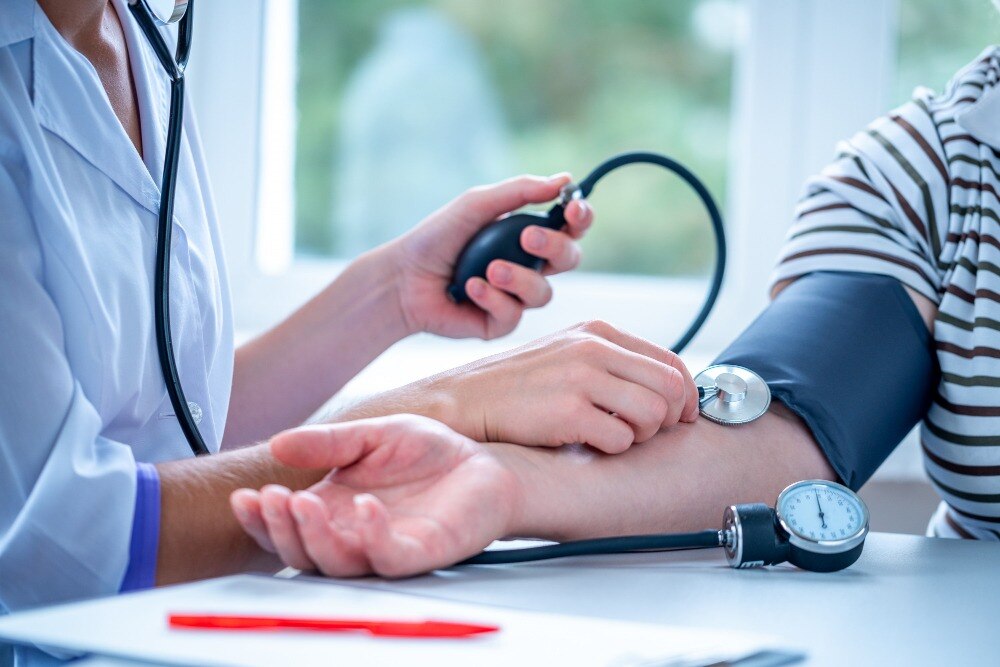
- Sit with your back supported and feet flat, keep your arm at heart level, and use a validated upper-arm cuff.
- Record the date, time, reading and medication timing, then share the log with Dr Priyanka Masal or another qualified clinician.
How hypertension is confirmed outside the clinic
Use home blood-pressure monitoring or a 24-hour ambulatory monitor to reveal what a clinic reading misses. Home monitoring shows your pressure during ordinary mornings and evenings; ambulatory monitoring records readings through daytime activity and sleep.
Both help distinguish sustained hypertension from white-coat hypertension, where clinic readings are high but out-of-clinic readings are lower, and masked hypertension, where clinic readings look normal but readings at home or work are high.
For a useful home record:
- Take two readings one minute apart, morning and evening, for seven days.
- Sit quietly for five minutes before measuring; keep your back supported, feet flat and arm at heart level.
- Use a validated upper-arm cuff, avoid caffeine, smoking and exercise for 30 minutes beforehand, and do not talk during the reading.
- Record the date, time, readings and when you took blood-pressure medicine.
Share the log rather than relying on its highest or lowest number. A clinician can compare the average with office readings and decide whether repeated testing or treatment is needed.
Discuss the results with Dr Priyanka Masal or another clinician after verifying the person’s current qualifications, registration, specialty and role through an official professional or hospital source. A normal clinic reading does not rule out masked hypertension, especially when home values, symptoms or overall cardiovascular risk point in another direction.
Why uncontrolled pressure damages the body
Damage accumulates even when you feel well. Persistent hypertension injures artery walls, making them stiffer and more likely to narrow or develop clots. Over time, this raises the risk of heart attack, heart failure, stroke, chronic kidney disease and vision loss. Treatment protects organs against this cumulative damage; it is not only for relieving symptoms.
Warning signs of established harm include:
- Breathlessness, ankle swelling or unusual tiredness from heart failure
- Sudden weakness, speech trouble or facial drooping from stroke
- Declining kidney function or protein in the urine
- Blurred or lost vision from retinal damage
| Review | Why it matters | Action |
|---|---|---|
| NSAIDs such as ibuprofen | They can raise pressure and reduce the effect of some medicines | Ask before regular use |
| Decongestants containing pseudoephedrine | They can constrict blood vessels | Choose an alternative with advice |
| Corticosteroids, hormonal medicines and herbal products | Some increase fluid retention or interfere with treatment | Show every product to your clinician |
| Excess alcohol, smoking, high salt intake and inactivity | Each adds cardiovascular strain | Set one measurable change at a time |
If pressure remains high, ask Dr Priyanka Masal or another licensed clinician to check cuff technique, missed doses, interfering medicines and secondary causes before simply adding tablets. Pregnancy needs prompt review: high pressure can progress to pre-eclampsia, with kidney, liver, brain or placental complications. Certain antihypertensives are unsafe during pregnancy.
Lifestyle changes, medicines and special situations
Treatment depends on your blood-pressure level, cardiovascular and kidney risk, diabetes, age, pregnancy status and other medicines. Lifestyle measures help, but they do not replace prescribed treatment when pressure is persistently high.
- Reduce salt, especially packaged foods, pickles and papad.
- Exercise regularly, work toward a healthy weight, stop smoking and limit alcohol.
- Sleep adequately and attend follow-up checks.
Common first-line medicines include thiazide or thiazide-like diuretics, ACE inhibitors, angiotensin-receptor blockers (ARBs) and long-acting calcium-channel blockers. Dizziness, ankle swelling, increased urination, cough, kidney-function changes or abnormal potassium can occur. ACE inhibitors and ARBs must not be taken together; ask before stopping or changing any medicine.
If pressure stays high despite three medicines, including a diuretic, clinicians should check cuff size and measurement technique, missed doses, timing, interfering medicines and secondary causes before adding more treatment. NSAID painkillers such as ibuprofen, decongestants, corticosteroids, some hormonal medicines, excess alcohol and certain herbal products can raise pressure or blunt treatment.
Discuss side effects and medicines with Dr Priyanka Masal or another qualified clinician, confirming current registration and role through an official source.
Pregnancy requires an immediate medication review: some usual antihypertensives are unsafe. High pressure can progress to pre-eclampsia. Seek urgent maternity assessment for severe readings, severe headache, visual disturbance, upper-abdominal pain or sudden swelling.
When a reading needs urgent medical attention
A reading of 180/120 mmHg or higher needs immediate reassessment, not dismissal as “just stress.” Sit quietly for five minutes, use the correct cuff, and measure again.
| Situation | Action | Why it matters |
|---|---|---|
| 180/120 or higher, with chest pain, breathlessness, weakness, numbness, confusion, trouble speaking or vision change | Call emergency services now | These symptoms can signal acute heart, brain or kidney injury |
| 180/120 or higher, without those symptoms, and still high on repeat | Seek urgent clinical advice the same day | Severe pressure still needs prompt assessment |
| Repeat reading falls below 180/120 and you feel well | Record both readings and contact your clinician promptly | Repeated measurements determine the next step |
Do not take an extra dose, stop treatment or change a medicine without medical advice. Tell the clinician about missed doses, ibuprofen or other NSAIDs, decongestants, steroids, hormonal medicines, alcohol and herbal products.
For an ongoing plan, choose a registered clinician who reviews home or ambulatory readings, checks cuff technique, examines your full medicine list and schedules follow-up. Ask how side effects, pregnancy, difficult-to-control readings and possible secondary causes will be handled.
Verify Dr Priyanka Masal’s current registration, qualifications and clinical role through an official source before choosing her. Dr Masal Hospital 08042755436 can be one local point for arranging an assessment, but urgent symptoms require emergency care rather than a routine appointment.
Related services
General Physician & Family Doctor Looking for a trusted General Physician in Pune for complete family healthcare? Dr Masal Hospital is known for reliable diagnosis, ethical treatment,... View service → |
Best Hospital for Medicine in Pune – Comprehensive Internal Care at Dr Masal Hospital When it comes to accurate diagnosis, effective treatment, and... View service → |
Frequently asked questions
What do the two blood pressure numbers mean?
The systolic number measures artery pressure when the heart contracts. The diastolic number measures pressure between beats when the heart relaxes. Either number can be high.
How is hypertension confirmed outside the clinic?
Use correctly sized upper-arm equipment, take repeated readings while resting, and record the results. A clinician can also recommend ambulatory blood pressure monitoring over 24 hours.
Why does uncontrolled blood pressure damage the body?
Persistently high pressure strains and injures blood vessels, increasing the risk of heart disease, stroke, kidney damage and eye problems.
When does a blood pressure reading need urgent medical attention?
Seek urgent care for a reading of 180/120 mmHg or higher with chest pain, breathlessness, weakness, confusion, vision changes or severe headache. Repeat a high reading after resting and contact a clinician even without symptoms.
Keywords