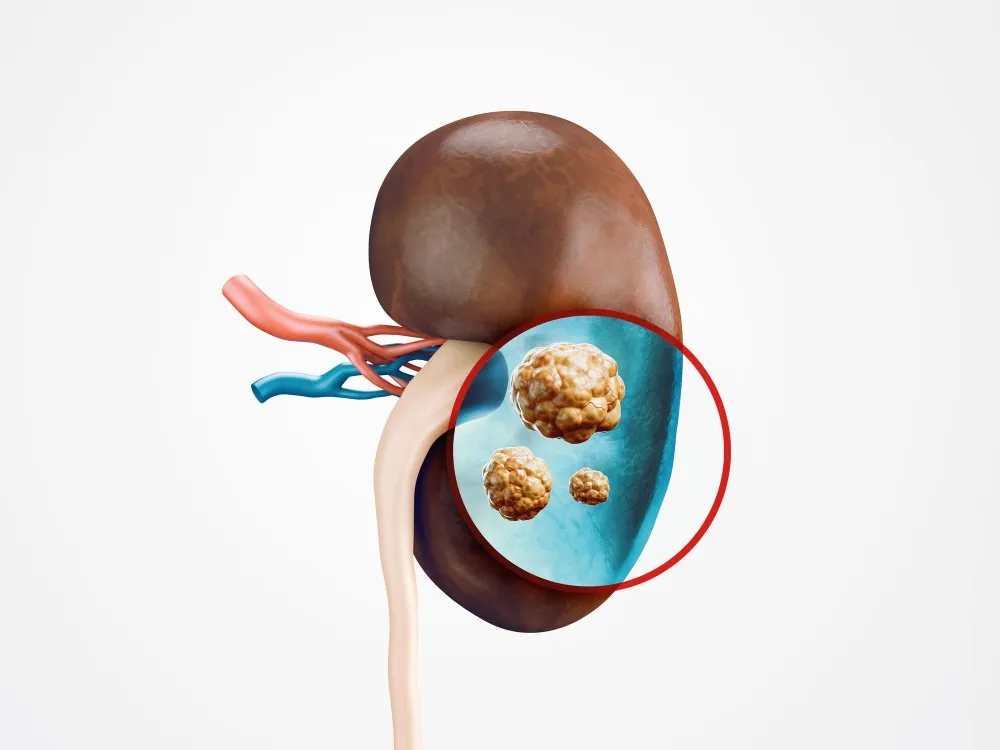
Kidney stones can cause severe pain, urinary discomfort, nausea, blood in the urine, and other symptoms. However, not every stone requires surgery.
Patients searching for a kidney stone treatment doctor in Pune should understand that treatment depends on the size and location of the stone, the presence of obstruction, symptoms, infection risk, kidney function, and overall health.
Why Imaging Is Important
Symptoms may suggest kidney stones, but imaging helps determine exactly where the stone is located and whether it is blocking urine flow.
Depending on the clinical situation, investigations may include urine tests, blood tests, ultrasound, CT scanning, or other diagnostic studies.
These findings help the doctor determine whether conservative management is suitable or whether intervention is necessary.
Can Kidney Stones Pass Naturally
Some smaller stones may pass without surgery.
When appropriate, conservative management can involve:
- Pain relief
- Hydration guidance
- Selected medications
- Observation
- Follow-up imaging
Patients should still remain under medical review because symptoms can change.
Persistent pain, fever, vomiting, reduced urine output, or worsening urinary symptoms may require reassessment.
When a Procedure May Be Considered
A urologist may recommend intervention if the stone:
- Is unlikely to pass naturally
- Causes persistent obstruction
- Produces repeated severe pain
- Is associated with infection
- Affects kidney function
- Is large or positioned unfavourably
- Causes other complications
Different procedures may be available depending on the case.
These can include endoscopic techniques, stone fragmentation procedures, or other urological interventions.
Stone Size Is Only One Factor
Patients sometimes focus entirely on the size mentioned in an ultrasound report.
Size is important, but it is not the only factor.
A smaller stone causing obstruction and infection may require quicker intervention than a larger stone that is not causing immediate complications.
Clinical decision-making therefore considers the complete picture.
Warning Signs That Need Attention
Kidney stone pain often occurs in the side or back and may radiate toward the groin.
Other symptoms can include:
- Blood in urine
- Nausea
- Vomiting
- Burning urination
- Urinary urgency
Fever or chills together with urinary obstruction can indicate a potentially serious infection and should be assessed promptly.
Patients with one functioning kidney, pregnancy, known kidney disease, or significant medical conditions should inform the doctor immediately.
Questions to Ask the Urologist
Before deciding on treatment, patients can ask:
- Where is the stone located?
- What is the approximate size?
- Is urine flow obstructed?
- Is there evidence of infection?
- Is natural passage likely?
- Why is a particular procedure being recommended?
- How long is recovery likely to take?
- What follow-up will be required?
Preventing Future Stones
Treatment does not necessarily end when the current stone passes or is removed.
Some patients develop recurrent stones.
Prevention may involve:
- Increasing fluid intake
- Dietary changes
- Stone composition testing
- Metabolic evaluation
- Follow-up investigations
The advice should be individualised because different stones may form for different reasons.
People living in Pune and other parts of Maharashtra may also need to pay extra attention to hydration during hotter months or when working outdoors.
At Dr. Masal Hospital, urology services are available within a multispeciality hospital environment for patients requiring assessment of urinary and kidney stone-related problems.
Choosing a kidney stone treatment doctor in Pune should therefore begin with accurate diagnosis rather than deciding on a procedure beforehand.
The right treatment is the one that considers the stone, symptoms, kidney function, infection risk, and overall health of the patient.
Keywords