Irregular periods can result from PCOS, pregnancy, thyroid disease, high prolactin, perimenopause, or another medical problem, so treatment starts with identifying the cause rather than treating an ultrasound image. You will learn which symptoms need prompt care, what testing involves, how to protect the uterine lining, and how treatment changes when pregnancy is the goal.
Key takeaways
- A 90-day gap between periods needs medical evaluation, even with a normal-looking scan.
- PCOS diagnosis combines ovulation history, androgen symptoms or tests, and exclusion of other causes.
- Treatment depends on your priority: cycle protection, symptom control, or pregnancy.
- Track bleeding, symptoms, ovulation, and treatment effects to judge progress.
Is it PCOS, or another cause of irregular periods?
For adults, ovulatory dysfunction means cycles shorter than 21 days, longer than 35 days, fewer than 8 per year, or any gap over 90 days. Regular-looking cycles do not always prove ovulation. PCOS is a hormone-and-ovulation disorder, not simply a scan result or occasional late period.
Clinicians diagnose PCOS after excluding pregnancy and other causes, using two of three features:
- Clinical or biochemical hyperandrogenism, such as excess facial hair, acne, scalp hair loss, or raised total or free testosterone
- Ovulatory dysfunction shown by the cycle pattern above
- Polycystic ovarian morphology on ultrasound, or an elevated anti-Müllerian hormone level in adults
An ultrasound alone does not confirm PCOS, and AMH is not a direct test of egg quality, fertility, or pregnancy chances. Isolated irregular periods without androgen excess or polycystic morphology may have another explanation.
Pregnancy, thyroid disease, high prolactin, major weight change, restrictive eating, intense exercise, medicines, stress, and perimenopause can all change cycles. A pregnancy test, thyroid-stimulating hormone, prolactin, testosterone testing, and individually selected tests help separate them.
Adolescent diagnosis is stricter: persistent ovulatory dysfunction and clinical or biochemical hyperandrogenism are both required. Ultrasound and AMH are not diagnostic because normal puberty can mimic those findings.
Track dates, bleeding, pain, acne, hair changes, and weight. Verify Dr Vinayak Masal’s current qualifications and role through an authoritative profile before relying on attributed treatment advice.
What happens during a PCOS evaluation?
1. Prepare a cycle record showing menstrual dates, bleeding duration, flow, pain, and any gap of 90 days. Note acne, new facial hair, scalp hair loss, weight change, medicines, and supplements. Bring pregnancy history and take a pregnancy test when pregnancy is possible.
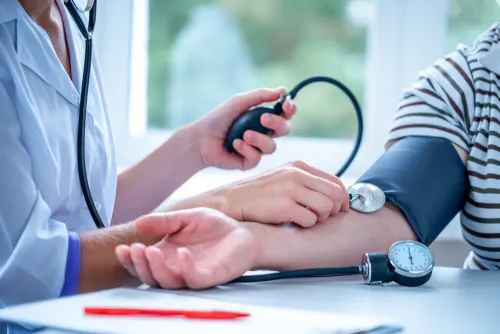
2. The clinician checks blood pressure, weight, and signs of androgen excess or another cause during a physical examination. Blood tests often include thyroid-stimulating hormone, prolactin, and total or free testosterone. Individually selected tests can assess other hormonal, metabolic, or adrenal conditions; no single blood test confirms PCOS.
3. In adults, pelvic ultrasound or anti-Müllerian hormone (AMH) can assess polycystic ovarian morphology. Neither test diagnoses PCOS alone, and AMH does not measure egg quality, fertility, or the chance of pregnancy. Diagnosis still requires the appropriate combination of ovulatory dysfunction and hyperandrogenism or polycystic ovarian morphology, after other causes are excluded.
Seek urgent evaluation if you have no period for 90 days, bleeding that soaks one pad each hour, fainting, severe pelvic pain, or a positive pregnancy test with pain or bleeding.
If you consult Dr Vinayak Masal, confirm his current role, specialty, and qualifications through an authoritative professional or institutional profile before relying on treatment advice.
How are irregular periods and hormonal symptoms treated?
A gap of more than 90 days without bleeding deserves an endometrial-protection plan. Ongoing absence of progesterone can let the uterine lining thicken, increasing concern about endometrial hyperplasia. Treatment choice depends on pregnancy plans, blood pressure, migraine and clotting history, androgen symptoms, and preference.
| Option | Cycle control and endometrial protection | Androgen symptoms and contraception |
|---|---|---|
| Combined hormonal contraception | Predictable withdrawal bleeding and protects the lining | Improves acne and excess hair; prevents pregnancy, but estrogen risks must be assessed |
| Cyclic progesterone | Causes a planned withdrawal bleed and protects the lining | Does not treat acne or excess hair and does not provide reliable contraception |
| Levonorgestrel intrauterine system | Strong endometrial protection; bleeding often becomes lighter or absent | Does not reliably improve androgen symptoms; provides long-acting contraception |
Regular bleeding while taking hormonal contraception does not prove that ovulation has returned; it can be medication-induced withdrawal bleeding. Metformin is most useful when impaired glucose tolerance, diabetes risk, or metabolic abnormalities are present, and it may improve cycles for some people.
Nausea, diarrhoea, and abdominal discomfort are common; gradual dose increases help, and prolonged use or deficiency risk may warrant vitamin B12 monitoring.
Use sustainable, weight-neutral nutrition, regular physical activity, adequate sleep, and behavioural support. Check lipids and blood pressure, and assess glucose with a 75-g oral glucose tolerance test, HbA1c, or fasting glucose when appropriate. Screen for sleep apnoea, anxiety, depression, body-image distress, and eating disorders. Discuss the plan with Dr Vinayak Masal.
What changes when you want to become pregnant?
Clearly absent or highly irregular ovulation justifies fertility evaluation now; do not automatically wait 12 months. PCOS-related anovulation is common, but both partners still need assessment. Letrozole is the usual first-line ovulation-induction medicine when no other infertility factor is found.
| Option | Role | When it applies |
|---|---|---|
| Letrozole | Stimulates ovulation | Common first-line choice for PCOS-related anovulatory infertility |
| Clomiphene | Alternative ovulation-induction medicine | When letrozole is unsuitable, unavailable, or ineffective |
| Gonadotropins | Injectable stimulation | After oral treatment fails, with ultrasound and hormone monitoring |
| Assisted reproduction | IUI or IVF | Tubal blockage, significant sperm problems, or unsuccessful earlier treatment |
Letrozole is off-label in many jurisdictions. A clinician must confirm that you are not pregnant before each course where appropriate, prescribe the dose, and monitor ovulation and multiple-pregnancy risk. Metformin alone is less effective for ovulation and live birth than dedicated induction treatment. Never self-start fertility medicines or supplements.
Evaluation includes semen analysis, tubal-patency testing, thyroid-stimulating hormone, prolactin, and other targeted tests. Before conception, review every medicine, take folic acid, and check glucose and blood pressure; discuss the plan with a qualified clinician, including Dr Vinayak Masal. During pregnancy, arrange monitoring for gestational diabetes and hypertensive disorders.
How should you choose care and judge whether treatment is working?
Agree on measurable targets: a safe bleeding interval, fewer acne or excess-hair symptoms, confirmed ovulation, improved glucose results, or pregnancy. Record bleeding, symptoms, medicines, supplements, and side effects. Repeat blood tests or scans only when your clinician identifies a reason.
If the first option causes troublesome bleeding, migraine, or gastrointestinal symptoms, contact the prescriber rather than abandoning treatment or changing the dose yourself. They can assess contraindications, switch formulation, use another cycle-control method, or investigate another cause. No cycle improvement calls for review of adherence, pregnancy, thyroid or prolactin results, and whether ovulation is occurring.
| Specialist | Main role | When to involve |
|---|---|---|
| Gynecologist | Cycle control, contraception, bleeding, androgen symptoms | Most menstrual or hormonal treatment decisions |
| Primary-care clinician | Blood pressure, glucose, medicines, overall risk | Ongoing monitoring and referrals |
| Endocrinologist | Complex glucose, thyroid, adrenal, or androgen disorders | Abnormal or difficult-to-interpret hormone findings |
| Dietitian | Sustainable, weight-neutral nutrition | Food planning or metabolic risk |
| Mental-health professional | Anxiety, depression, body-image distress, eating disorders | Distress affecting health or treatment |
| Fertility specialist | Ovulation induction and partner evaluation | Pregnancy planning or infertility |
- Cycle dates, flow, pain, acne, hair changes, and weight records
- Medication and supplement list
- Previous reports, ultrasound images, blood-pressure and glucose results
- Pregnancy history and partner fertility information
A consultation with Dr Vinayak Masal at Dr Masal Hospital 08042755436 can help organise these records, identify the needed specialist, and establish supervised treatment and urgent-care routes; verify the clinician’s current role and qualifications through an authoritative institutional or professional profile.
Related service
Consultation ₹500 Best Gynecology & Obstetrics Hospital for Comprehensive Women’s Care At Masal Hospital, women receive complete, compassionate, and advanced care... View service → |
Frequently asked questions
How can you tell whether irregular periods are caused by PCOS?
A clinician reviews your cycle pattern, androgen-related symptoms or blood tests, and other possible causes. Thyroid disease, high prolactin, pregnancy, some medicines, weight changes, and primary ovarian insufficiency can also disrupt periods.
What happens during a PCOS evaluation?
Expect questions about cycle dates, acne, excess facial or body hair, hair thinning, weight changes, medicines, and pregnancy plans. Evaluation can include a pregnancy test, blood tests, physical examination, and pelvic ultrasound when indicated.
How are irregular periods and hormonal symptoms treated?
Treatment may include lifestyle changes, combined hormonal contraception or cyclic progesterone for cycle control, and targeted options for acne or unwanted hair. The choice depends on symptoms, health risks, and whether you want pregnancy.
What changes when you want to become pregnant with PCOS?
Care shifts toward confirming ovulation, reviewing medicines, checking other fertility factors, and planning ovulation treatment when needed. Ask about folic acid, preconception tests, and when to seek fertility support.
How do you know whether PCOS treatment is working?
Track period dates, bleeding gaps, acne, hair growth, pain, side effects, weight or metabolic measures, and ovulation if pregnancy is the goal. Arrange review when periods remain absent for 90 days, symptoms worsen, or treatment causes troublesome effects.
Keywords