
When surgery is recommended, most patients have one important question: 'How do I choose the right surgeon?' Whether the condition involves a hernia, gallbladder stones, appendicitis, piles, or another surgical concern, selecting an experienced general surgeon near me is an important part of achieving a safe and successful outcome.
Understanding what to look for before undergoing surgery helps patients make informed healthcare decisions while reducing anxiety about the procedure.
What Does a General Surgeon Treat?
General surgeons manage a wide variety of conditions affecting the abdomen, digestive system, skin, soft tissues, and other parts of the body.
Common surgical conditions include:
- Hernias
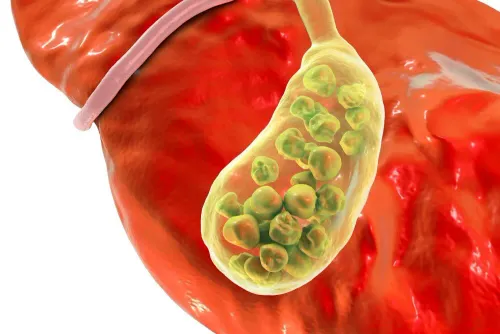
- Gallbladder stones
- Appendicitis
- Piles
- Abscesses
- Lipomas
- Breast lumps
- Skin cysts
- Thyroid swellings
- Certain gastrointestinal disorders
Many procedures are now performed using minimally invasive techniques, depending on the patient's condition.
Important Questions to Ask During Your Consultation
A consultation is the ideal time to understand your diagnosis and treatment options. Asking the right questions can help you feel more confident before surgery.
Consider discussing:
- What is causing my symptoms?
- Is surgery necessary?
- Are there non-surgical treatment options?
- What type of surgery is recommended?
- Is laparoscopic surgery suitable for me?
- What are the possible risks and benefits?
- How long will recovery take?
- When can I return to normal activities?
A qualified surgeon will explain the procedure in clear, understandable language.
Is Minimally Invasive Surgery an Option?
Many common operations can now be performed laparoscopically.
Potential benefits include:
- Smaller incisions
- Less postoperative discomfort
- Reduced blood loss
- Lower risk of wound complications
- Shorter hospital stay
- Faster recovery
- Smaller scars
However, not every patient is a candidate for minimally invasive surgery. Your surgeon will recommend the safest approach based on your individual medical condition.
Why Preoperative Evaluation Is Important
Before surgery, patients usually undergo a detailed medical assessment to ensure they are fit for the procedure.
This may include:
- Blood investigations
- ECG if required
- Imaging studies
- Review of existing medical conditions
- Medication assessment
- Anesthesia evaluation
Proper preparation helps reduce surgical risks and supports smoother recovery.
What to Expect After Surgery
Recovery depends on the type of operation, age, and overall health.
General recommendations include:
- Walking as advised
- Taking medications regularly
- Following wound care instructions
- Eating according to medical advice
- Avoiding heavy lifting until permitted
- Attending scheduled follow-up visits
Patients should contact their doctor immediately if they develop severe pain, persistent fever, excessive bleeding, or signs of infection.
Why Hospital Infrastructure Matters
The quality of the hospital is just as important as the experience of the surgeon.
Look for facilities that provide:
- Modern operation theatres
- Experienced anesthesia team
- Advanced laparoscopic equipment
- Laboratory services
- Digital imaging
- Intensive care support when required
- Emergency medical services
These facilities contribute to safer surgery and better postoperative care.
Making an Informed Decision
Choosing a surgeon should involve more than searching online for reviews. Consider the doctor's experience, the hospital's facilities, the availability of multidisciplinary support, and how clearly your questions are answered during consultation.
Patients across Pune often prefer hospitals that combine surgical expertise with comprehensive medical services. Dr Masal Hospital provides general surgery supported by advanced diagnostics, modern operation theatres, and coordinated care from physicians and specialists whenever additional medical support is required.
Taking the time to understand your treatment options and choosing an experienced surgical team can help you approach surgery with greater confidence and contribute to a smoother recovery.
Keywords