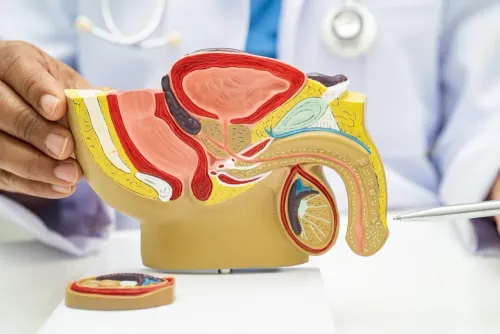

Trying to conceive can become stressful when pregnancy does not occur within the expected period. Couples searching for an infertility specialist in Pune often wonder when they should seek medical evaluation and what the first consultation will involve.
Fertility difficulties can be related to female factors, male factors, a combination of both, or causes that are not immediately identifiable. This is why fertility evaluation should consider both partners rather than focusing only on the woman.
At Dr. Masal Hospital, Dr. Vinayak Masal, Obstetrician and Gynecologist, evaluates reproductive and gynecological factors that may be contributing to difficulty conceiving and guides patients regarding further assessment where appropriate.
When Fertility Evaluation May Be Helpful
The timing of evaluation can depend on age, menstrual patterns, reproductive history, and existing medical conditions.
Earlier consultation may be considered when there are concerns such as:
- Irregular or absent menstrual cycles
- Previous pelvic infections
- Previous pelvic or reproductive surgery
- Known gynecological conditions
- Recurrent miscarriage
- Suspected male fertility problems
- Sexual or ejaculation difficulties
- Increasing maternal age
- Known conditions affecting reproductive health
Seeking an assessment does not automatically mean advanced fertility treatment will be required.
What Happens During the First Consultation
The initial consultation generally begins with a detailed medical history.
Women may be asked about:
- Menstrual cycles
- Previous pregnancies
- Miscarriages
- Pelvic pain
- Previous surgeries
- Infections
- Medications
- Existing medical conditions
Men may be asked about reproductive history, previous surgery, infections, medications, lifestyle factors, sexual health, and other medical concerns.
Based on the findings, investigations may be recommended.
Why Both Partners May Need Evaluation
A common misconception is that infertility is mainly a female health problem.
Male reproductive factors can also contribute significantly to difficulty conceiving. Depending on the situation, semen analysis and further evaluation may therefore be recommended.
Assessing both partners can make diagnosis more systematic and prevent unnecessary delay.
Understanding Ovulation and Menstrual Health
Irregular menstrual cycles can sometimes indicate inconsistent ovulation.
Conditions affecting hormones, ovaries, thyroid function, body weight, or other aspects of health may influence reproductive function.
The doctor may therefore evaluate menstrual patterns and associated symptoms before deciding whether hormonal or imaging investigations are necessary.
Diagnosis Should Come Before Treatment
Fertility care should not begin by assuming that one particular procedure will be needed.
Some couples may require guidance regarding timing intercourse around ovulation. Others may need treatment of an underlying gynecological or medical condition.
Depending on the diagnosis, further reproductive treatment options may be discussed.
Factors influencing treatment decisions can include:
- Age
- Duration of infertility
- Ovarian function
- Sperm parameters
- Reproductive anatomy
- Previous pregnancies
- Previous fertility treatment
Useful Questions for the Doctor
Couples can prepare questions before attending the appointment.
These may include:
- Which investigations should be done first?
- Should both partners be evaluated?
- Is ovulation occurring regularly?
- Could an existing medical condition be contributing?
- Are current medications affecting fertility?
- What treatment options may be considered after diagnosis?
- When should progress be reviewed?
Bringing previous reports can also help avoid unnecessary repetition of investigations.
Fertility Assessment in Pune
Couples living in Pune and surrounding areas of Maharashtra have access to gynecological and fertility-related evaluation through different healthcare settings.
When selecting a provider, it is useful to focus on diagnostic clarity, communication, appropriate testing, and realistic treatment planning.
An infertility specialist in Pune should help couples understand what is currently known, what further evaluation may be required, and what options are reasonable for their individual circumstances.
Difficulty conceiving does not point to one standard diagnosis or treatment. A careful assessment can identify possible contributing factors and help couples make informed decisions based on medical evidence and reproductive goals.
Keywords