
High blood pressure often develops without obvious symptoms. Many people discover it during a routine health check, preoperative assessment, or consultation for another medical concern.
When choosing a hypertension treatment hospital in Pune, the goal should not be limited to obtaining one normal blood pressure reading. Effective hypertension care involves confirmation of diagnosis, assessment of associated risks, lifestyle management, medication when required, and long-term follow-up.
Why One High Reading Is Not Always Enough
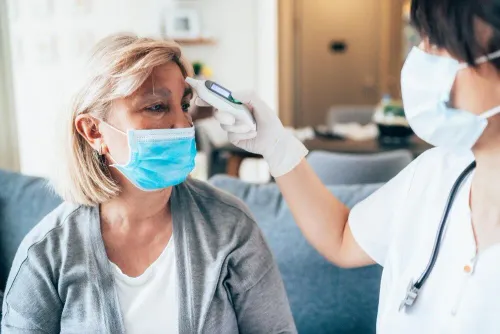
Blood pressure can temporarily rise because of stress, pain, physical activity, caffeine, illness, or anxiety during a medical appointment.
For some patients, repeated clinic measurements or home blood pressure monitoring may be recommended to understand the pattern more accurately.
Correct technique also matters.
Blood pressure measurement should generally involve:
- A suitable cuff size
- A seated and rested patient
- Appropriate arm positioning
- Avoidance of immediate strenuous activity
- Repeat readings where necessary
Why High Blood Pressure Needs Attention
Persistent hypertension can place additional strain on blood vessels and organs over time.
It is associated with increased risk of cardiovascular, kidney, and neurological complications.
The overall health assessment may therefore consider other factors such as:
- Diabetes
- High cholesterol
- Kidney disease
- Smoking
- Excess body weight
- Family history
- Physical inactivity
- Dietary habits
Treatment is more effective when these related risk factors are also addressed.
Lifestyle Changes That Can Help
Lifestyle measures may form an important part of blood pressure management.
Depending on the patient’s health status, advice may include:
- Reducing excessive salt intake
- Maintaining regular physical activity
- Managing body weight
- Following a balanced diet
- Avoiding tobacco
- Limiting excessive alcohol
- Improving sleep habits
- Managing chronic stress
Lifestyle changes may reduce cardiovascular risk even when medication is also necessary.
When Medication Is Required
Some patients require antihypertensive medication in addition to lifestyle modification.
The type and dose depend on blood pressure levels, age, kidney function, associated diseases, pregnancy status, and other clinical factors.
Patients should not stop prescribed medicine simply because a recent reading is normal. Blood pressure may be controlled precisely because the medication is working.
Any changes should be discussed with the treating physician.
What to Bring to Follow Up
Patients can make follow-up consultations more useful by bringing:
- Home blood pressure readings
- A current medication list
- Details of any side effects
- Recent laboratory reports
- Information about new symptoms
- Details of other medical treatment
Regular review allows medication and lifestyle recommendations to be adjusted when necessary.
When High Blood Pressure Needs Urgent Attention
Very high blood pressure together with concerning symptoms should be medically assessed promptly.
Symptoms that can require urgent evaluation include:
- Chest discomfort
- Severe breathlessness
- Sudden neurological symptoms
- Confusion
- Significant visual disturbance
- Severe headache with other concerning features
The appropriate response depends on the clinical situation.
Managing Hypertension in Pune
Urban routines in Pune can include long commuting hours, desk-based work, irregular eating patterns, low physical activity, and stress. These factors may influence cardiovascular health in some individuals.
At Dr. Masal Hospital, general medical services are available for evaluation of hypertension and associated health concerns.
A multispeciality setting can also be useful when high blood pressure occurs alongside diabetes, kidney disease, surgical needs, or other medical conditions.
Choosing a hypertension treatment hospital in Pune should therefore involve looking for continuity of care rather than one-time blood pressure reduction.
Regular monitoring, appropriate investigations, medication review, lifestyle improvements, and attention to associated risk factors are central to long-term blood pressure management.
Keywords